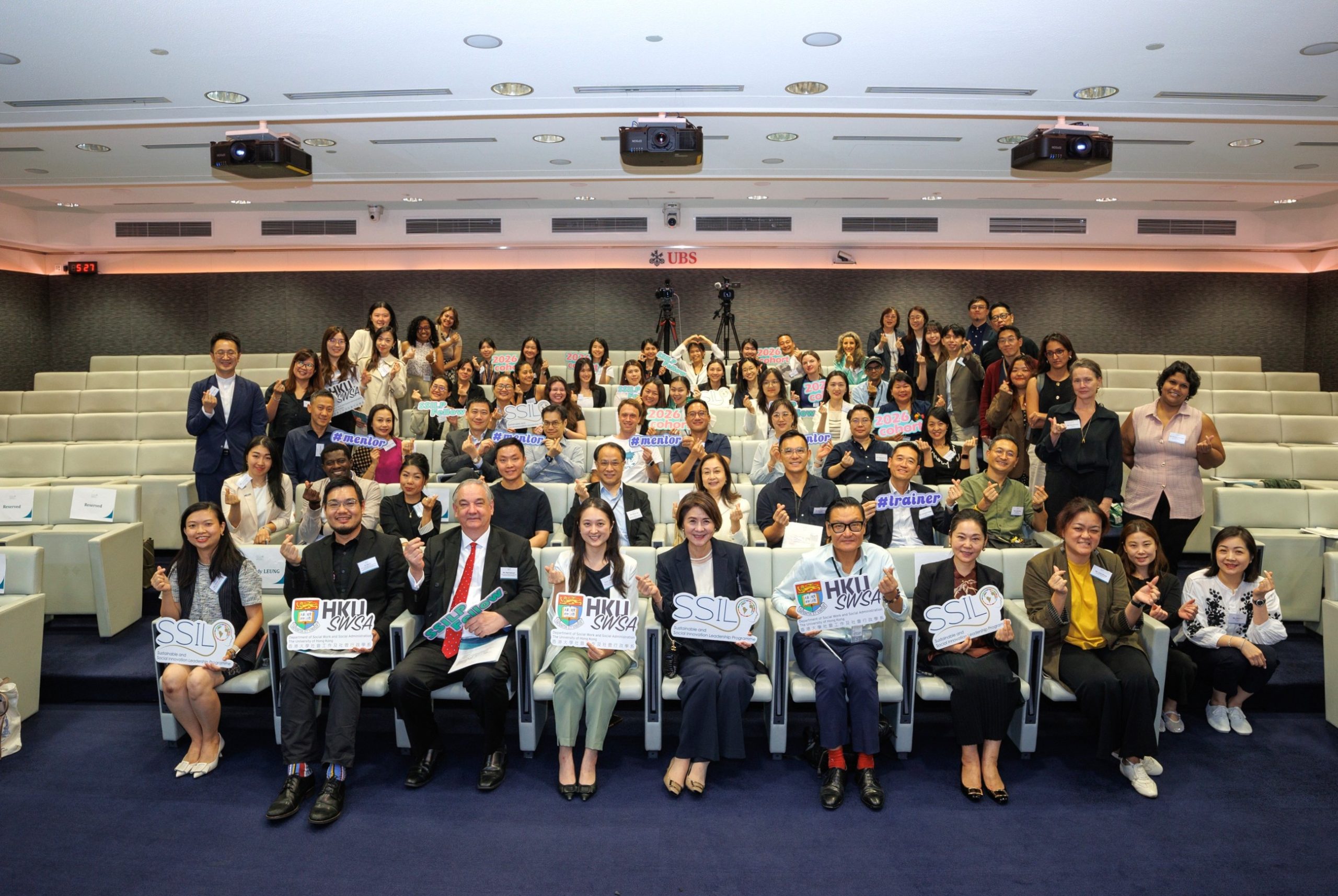
The 4th cohort of the HKU–UBS Sustainable and Social Innovation Leadership Programme (SSILP) has officially begun, bringing together 30 senior leaders from 30 registered charities and social enterprises across Hong Kong and other Greater Bay Area cities, such as Shenzhen and Guangzhou. SSILP is a developmental journey designed to strengthen the leadership, strategic thinking, and innovation capacity of non-profit practitioners.
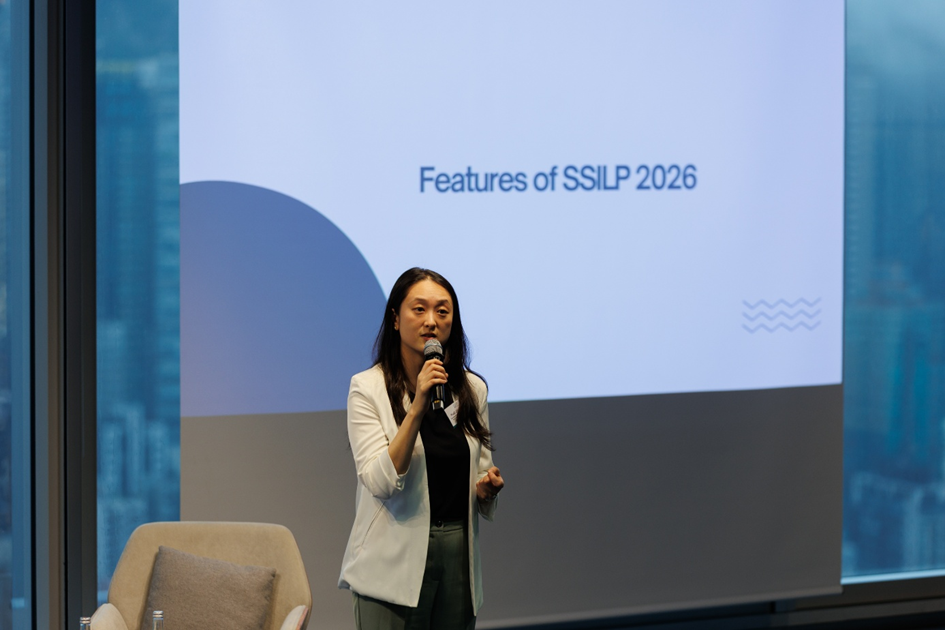
The day began with the fellows’ first training lesson, “Leadership Exploration & Adaptability,” led by 2020 cohort champion and Founder of Amplifying Consulting, Ms. Zamira Monteiro. The interactive session invited fellows to pause, reflect, and re‑examine how they show up as leaders in their organizations and communities.
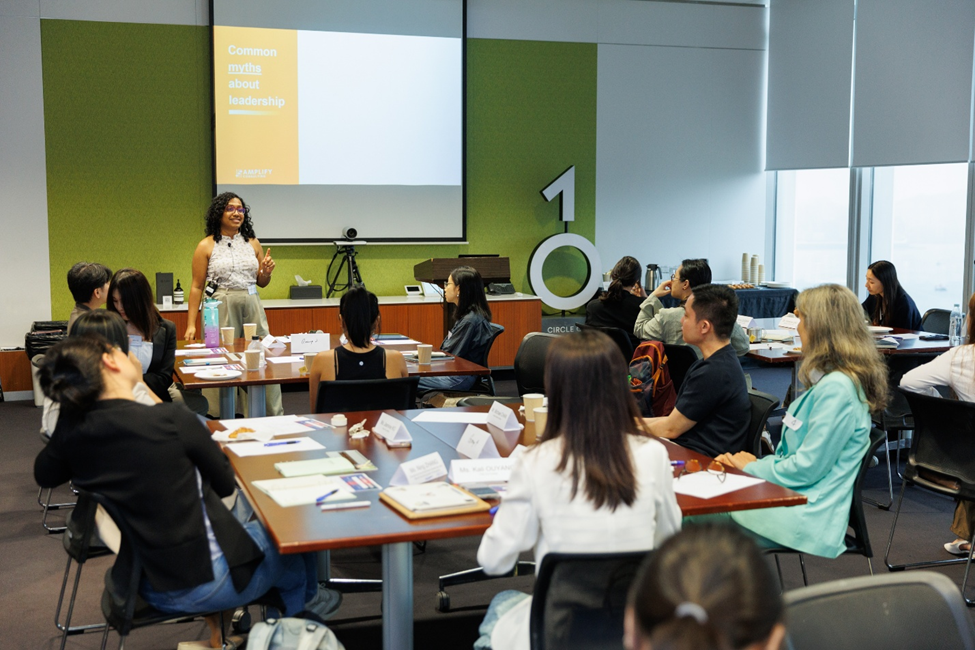
This opening ceremony set the tone for the six‑month programme, which blends theory and practice across strategic thinking, organizational culture, cross-sector collaboration, and—new for 2026—responsible AI competency.
“By embedding responsible AI training and extending the Greater Bay Area field trip—from Shenzhen to Foshan—we uniquely equip non-profit practitioners to turn technology into social impact, bridging cross-boundary collaboration with practical, human-centered innovation,” said Professor Cheryl Chui, Co‑Director of SSILP. This experiential learning approach is central to the programme’s design: fellows learn in the classroom, in the field, and from one another.
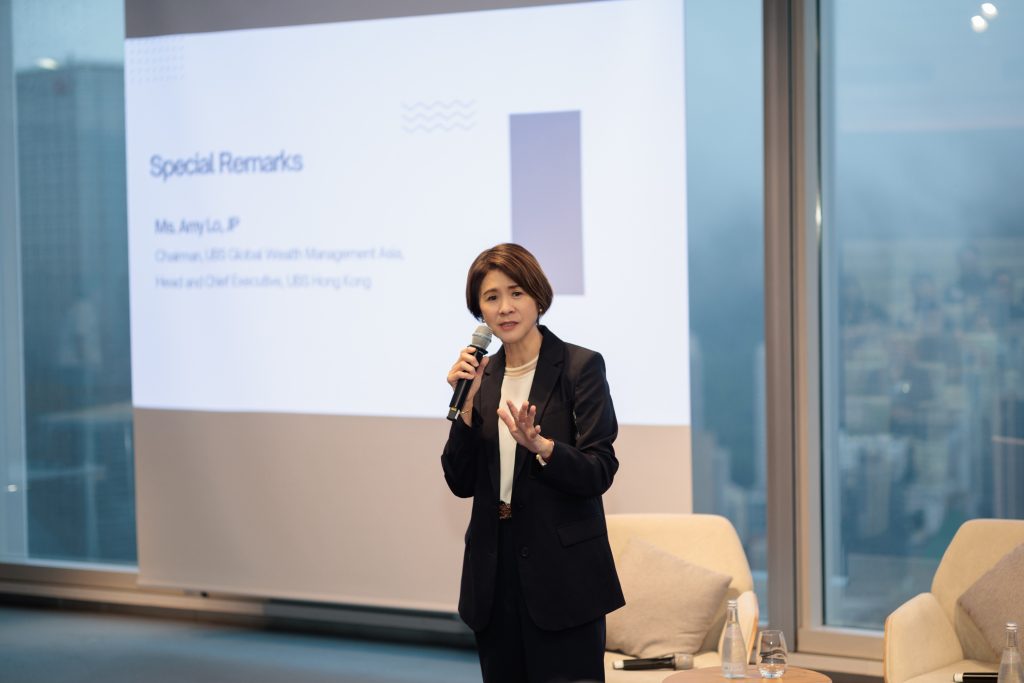
The programme was also honored to welcome Ms. Amy Lo, JP, Chairman, UBS Global Wealth Management Asia, Head and Chief Executive, UBS Hong Kong, who shared her reflections on SSILP, underscoring UBS’s commitment to the partnership:
“SSILP is about people — leaders working on the front lines of social change and asking how we can do more, and do it better. This year’s cohort reflects both the diversity of today’s social challenges and a growing Greater Bay Area dimension, underscoring the importance of collaboration beyond borders.”
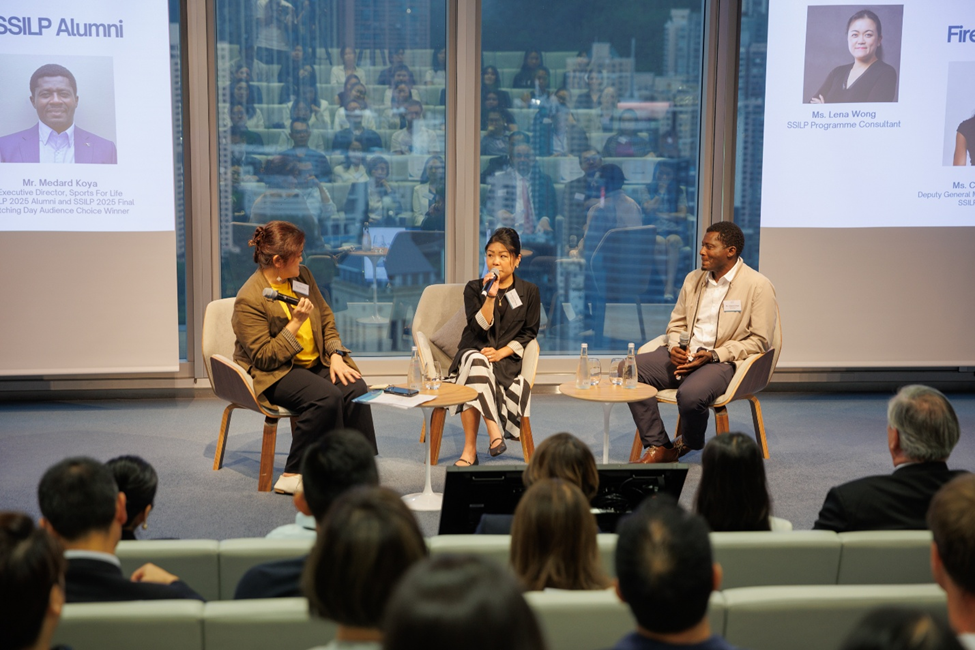
Two alumni were invited to share their SSILP journeys with the new cohort:
- Ms. Cherie Cheung, Deputy General Manager, Shakespeare4All
- Mr. Medard Koya, Executive Director, Sports For Life, and SSILP 2025 Final Pitching Day Audience Choice Winner
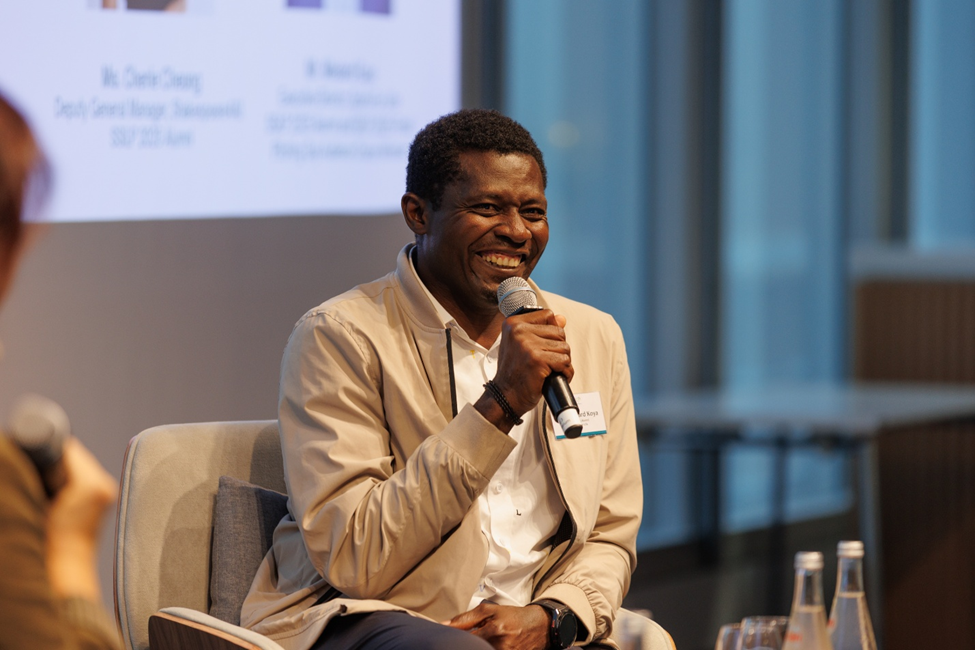
Medard, speaking from the perspective of a grassroots NGO leader, reflected on what he valued most about the programme and how it reshaped his organisation:
“As someone from a grassroots NGO, joining SSILP was incredibly meaningful. The programme equipped me with clear vision, mission, and impact measurement skills that helped us grow from a grassroots team into a more structured, impactful organization.”
Cherie highlighted her key takeaways around cross-sector learning:
“SSILP opened my eyes to cross-sector connections I could never get in my daily art and education work. Being able to share real challenges with peers from diverse backgrounds—without the constraints of our organizational roles—gave me fresh perspective and practical insights that directly strengthened my own projects.”
Her advice to the new fellows was simple but practical:
“I would say really make good use of the mentorship session, and contact and communicate with your mentors throughout the whole journey, not just during the session.”
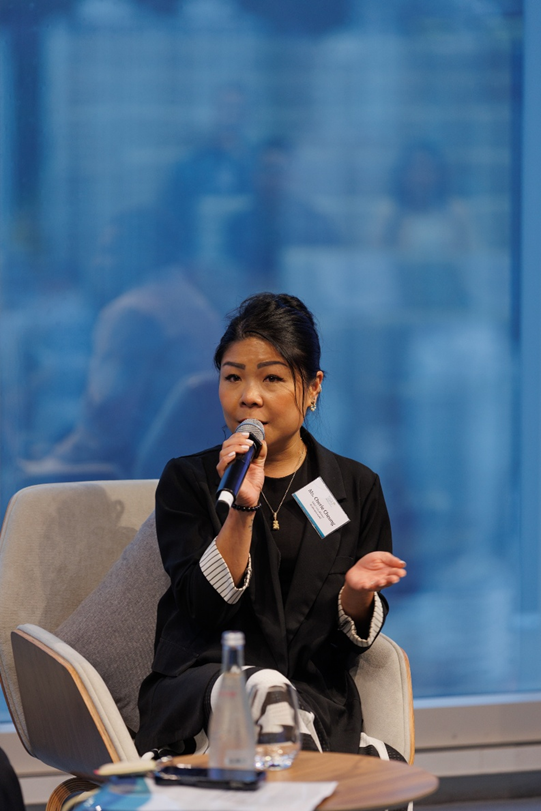
Together, their sharing reinforced a core message of SSILP: leadership growth happens through continuous reflection, experimentation, and the courage to learn alongside peers.
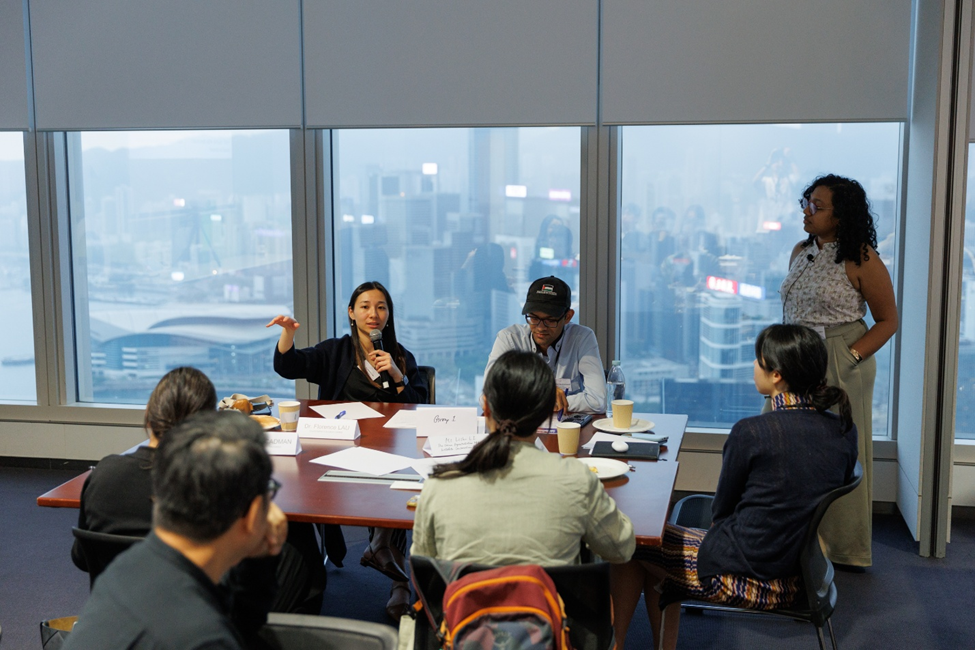
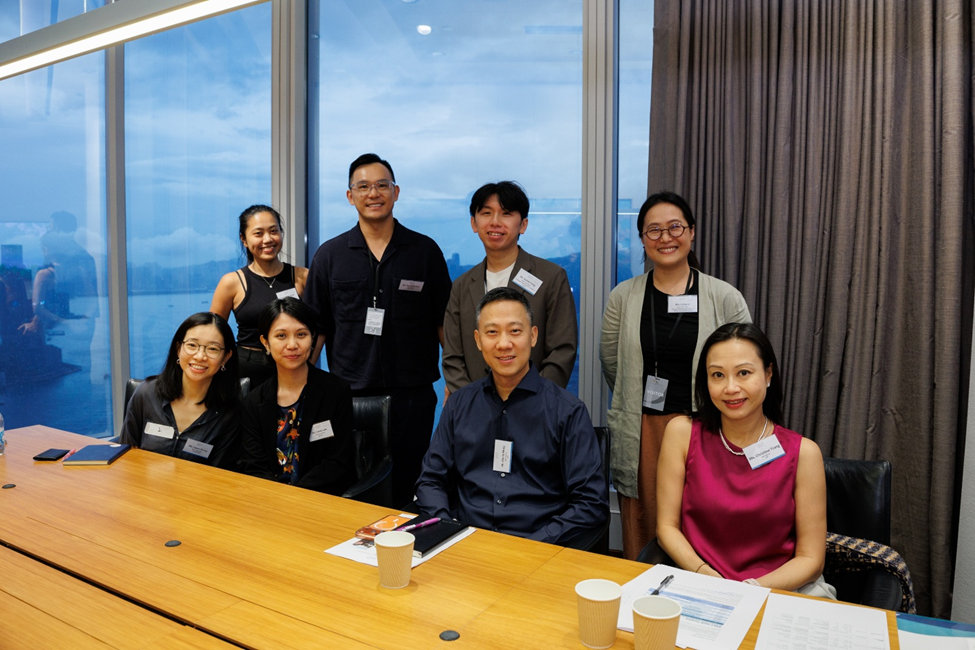
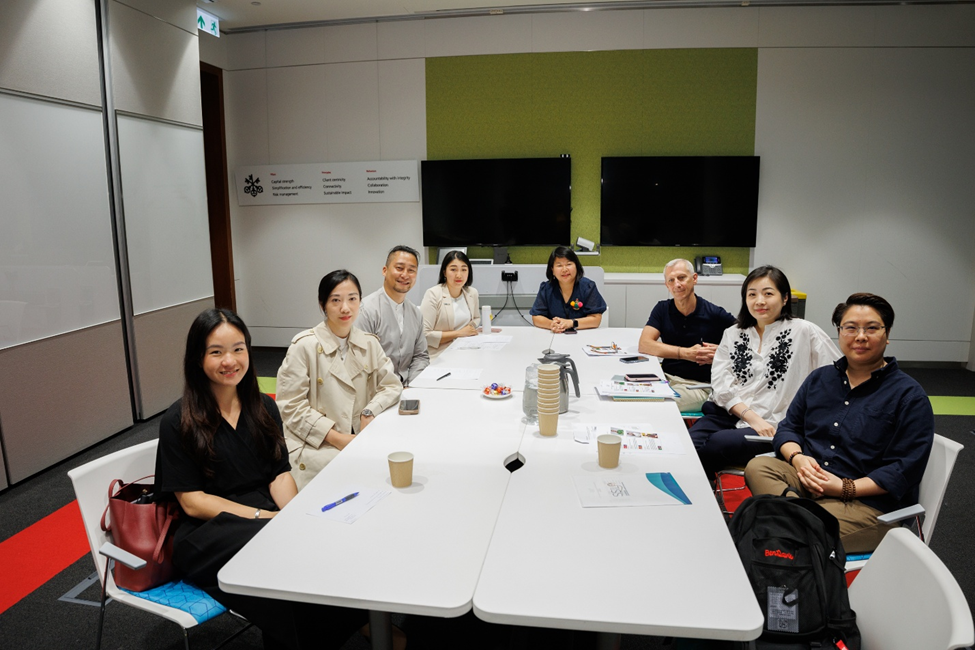
The day concluded with the first meet‑and‑greet mentoring session, as fellows sat down with their dedicated mentor groups. Each group brings together two UBS mentors, one alumni mentor, and five fellows—many of the mentors are seasoned professionals who return year after year, with some now serving as SSILP mentors for the fourth time. Passionate about social impact and cross-sector collaboration, they offer not only expertise but also long-term support and encouragement. Through this structured yet informal space, fellows can test ideas, seek candid feedback, and learn from both commercial and non-profit perspectives, building relationships that will anchor their leadership and project development throughout the six‑month journey and beyond.
We look forward to accompanying the 2026 fellows on this journey and sharing more about their learning, projects, and impact in the months ahead.