Session 1: Leadership Exploration & Adaptability
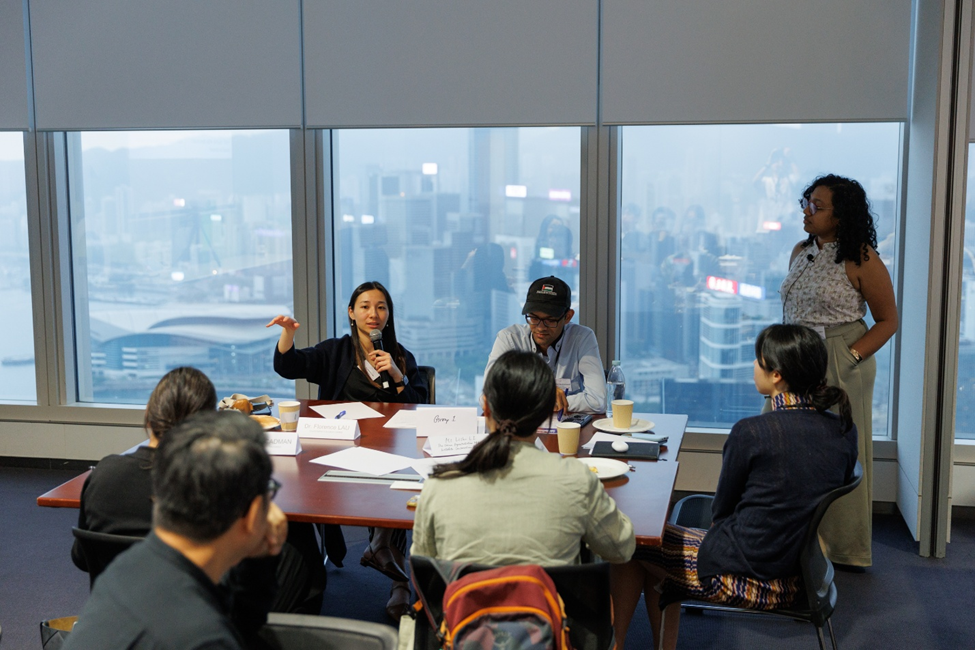
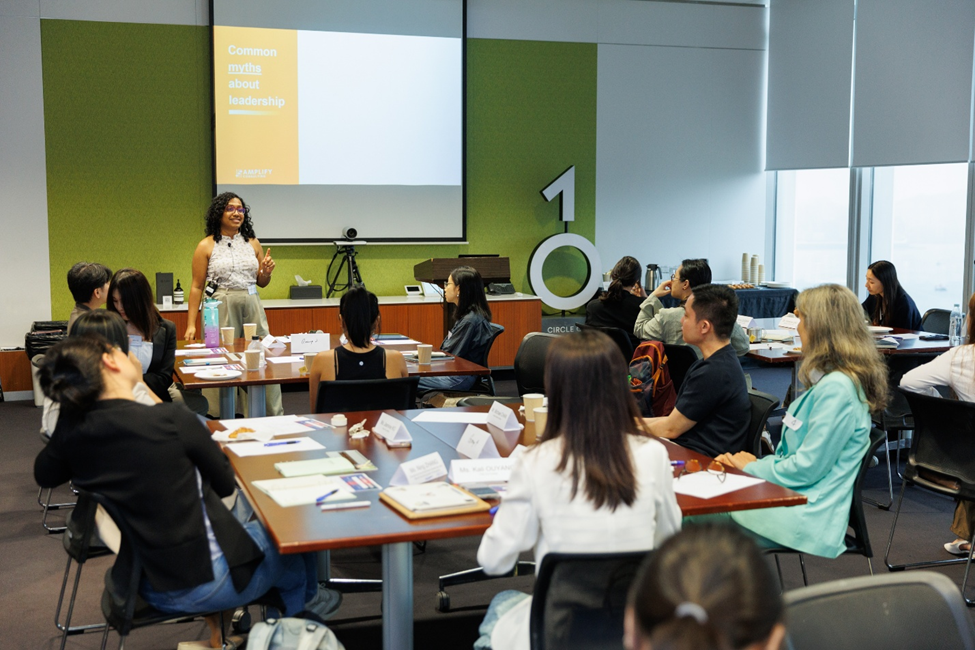
The programme began with an interactive session on leadership exploration and adaptability, led by Ms. Zamira Monteiro of Amplify Consulting. Fellows reflected on what it means to be a leader and the kind of leader they aspire to become.
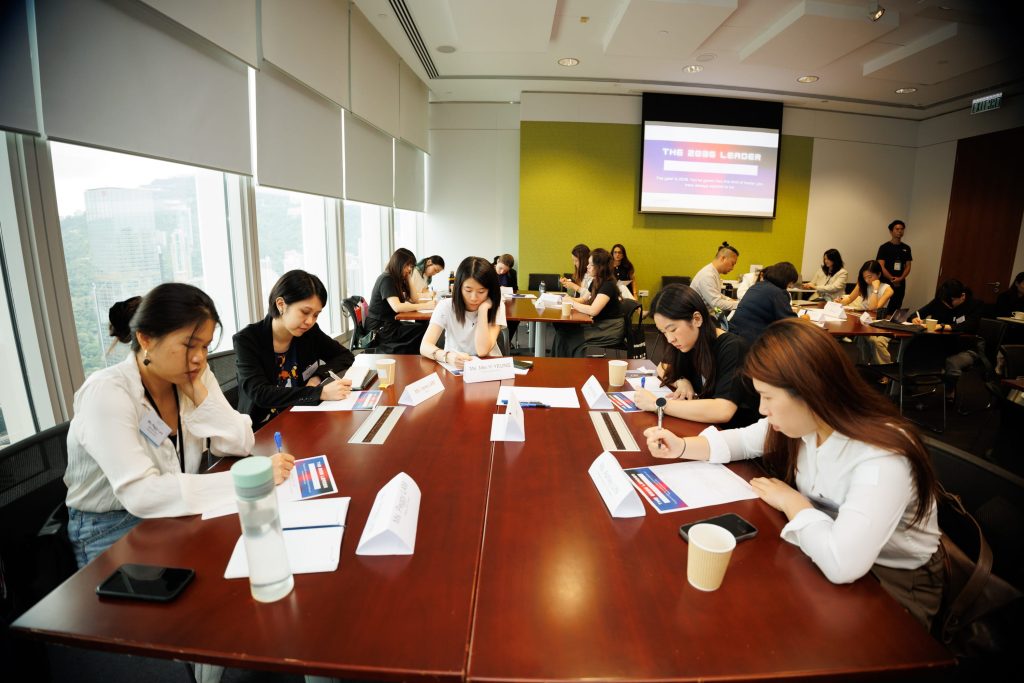
Through the “2036 Leader” exercise, participants envisioned their future leadership selves, identifying both the qualities they aim to embody and those they hope to avoid. This reflection was complemented by group discussions, allowing fellows to exchange perspectives and refine their leadership aspirations.
The session also highlighted common misconceptions and potential leadership traps, encouraging fellows to consider challenges that may hinder their development and impact their teams.
A key focus was on adaptability, with scenario-based discussions enabling participants to explore how leaders respond to real-world challenges. The session concluded with a personal pledge, reinforcing the importance of translating reflection into action as fellows begin their leadership journey.
Session 2- Strategic thinking & sustainability
Building on the first session, Ms. Sky Siu, CEO of Mother’s Choice, shared practical insights on strategic thinking and sustainability from a practitioner’s perspective.
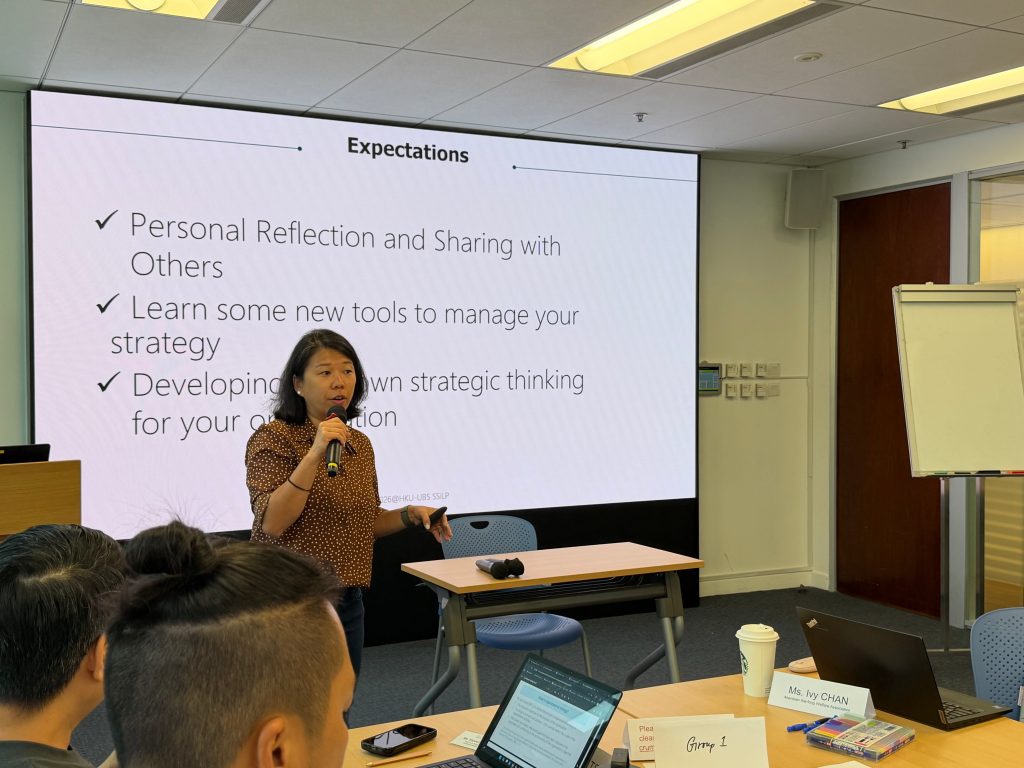
Drawing on her leadership experience, she highlighted the importance of aligning organizational vision, mission, and services to address complex social challenges. Through guided reflection, fellows examined what sustainability means within their own organizations and identified barriers to developing a strong strategic mindset.
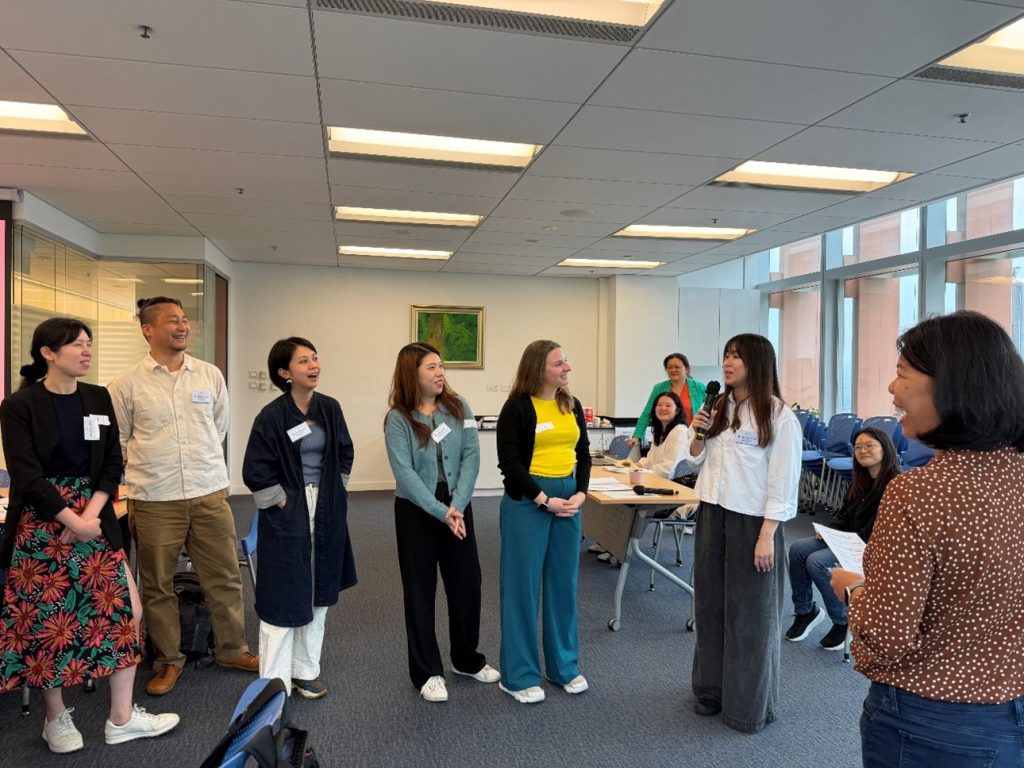
A key framework introduced was the STARS model, which helps leaders assess their organizational context—ranging from start-up to sustaining success—and adapt their strategies accordingly. Fellows applied this framework to analyze their own organizations, identifying leadership priorities and potential risks.
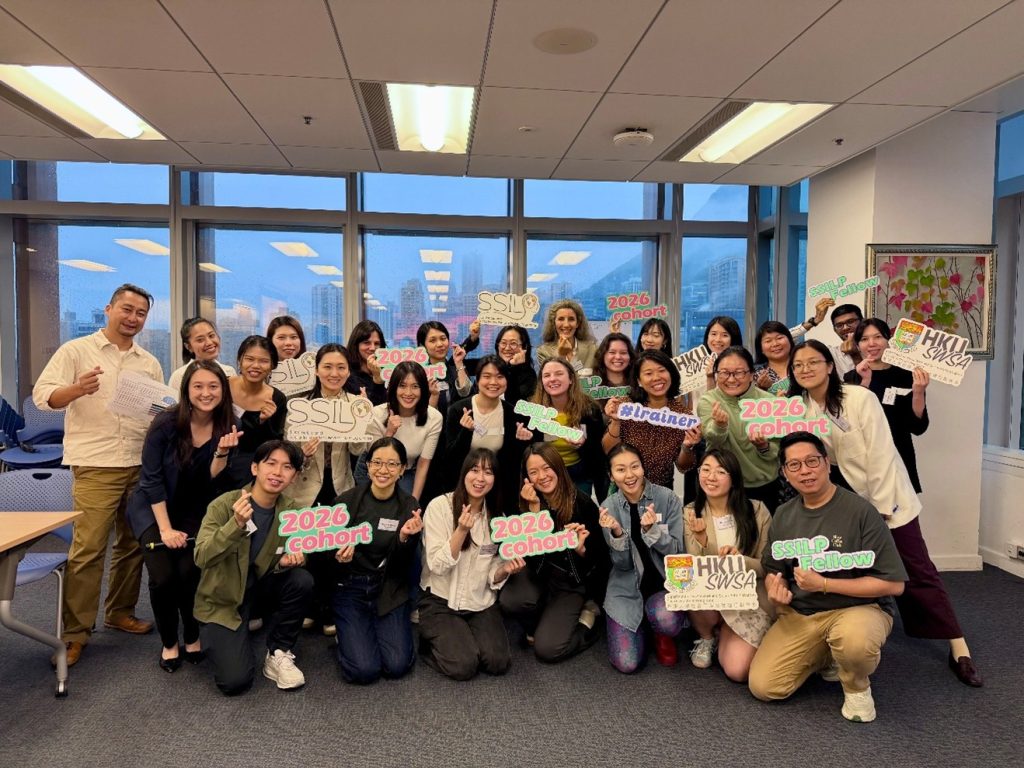
Through group discussions, participants explored trade-offs, shared challenges, and surfaced practical approaches to navigating growth, change, and long-term impact. The session reinforced that effective strategic leadership requires continuous reflection, contextual awareness, and the ability to make informed decisions for sustainable outcomes.
Session 3 -Organizational Culture & Inclusiveness
For nonprofit leaders, shaping an organizational culture that encourages creativity, learning, and collaboration is not an abstract ideal, but a daily leadership practice. In this session, Mr. Till Kraemer from Intercultural Education guided fellows to explore how values can be translated from abstract statements into everyday actions.
Through a series of interactive exercises, participants examined the alignment between their personal values and their organization’s institutional values, while also practicing how to navigate disagreements respectfully.
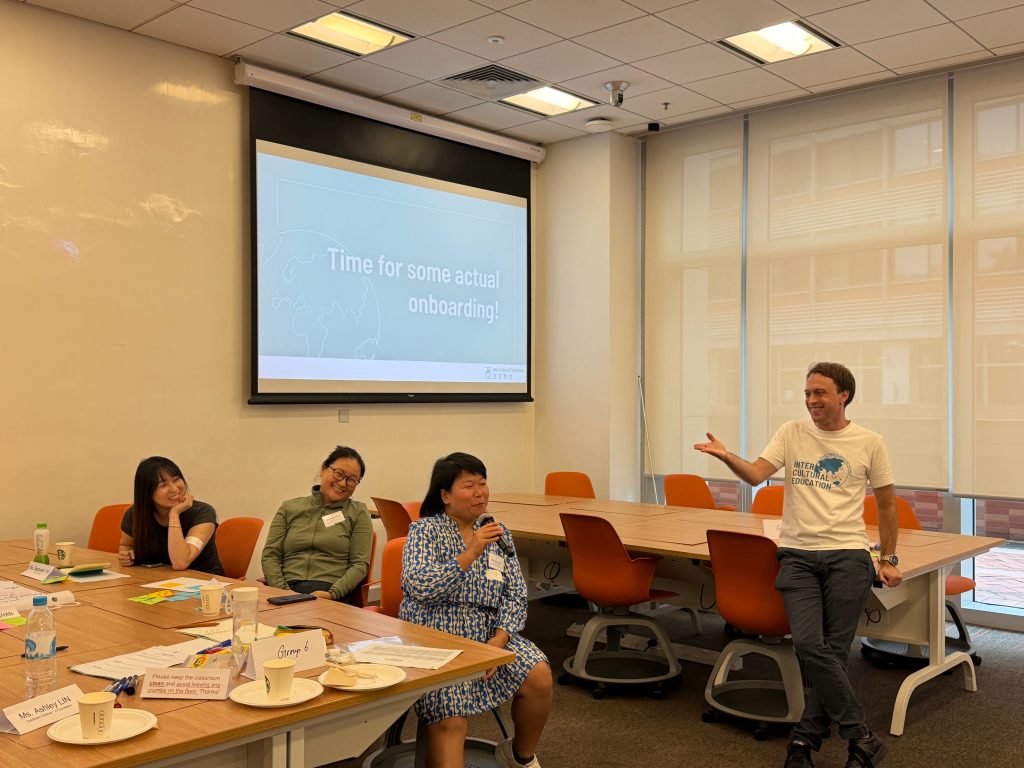
The session also addressed the practical challenges of building an inclusive workplace. Fellows worked in small groups to design a fictional NGO, define its core values, and develop onboarding approaches that bring these values to life.
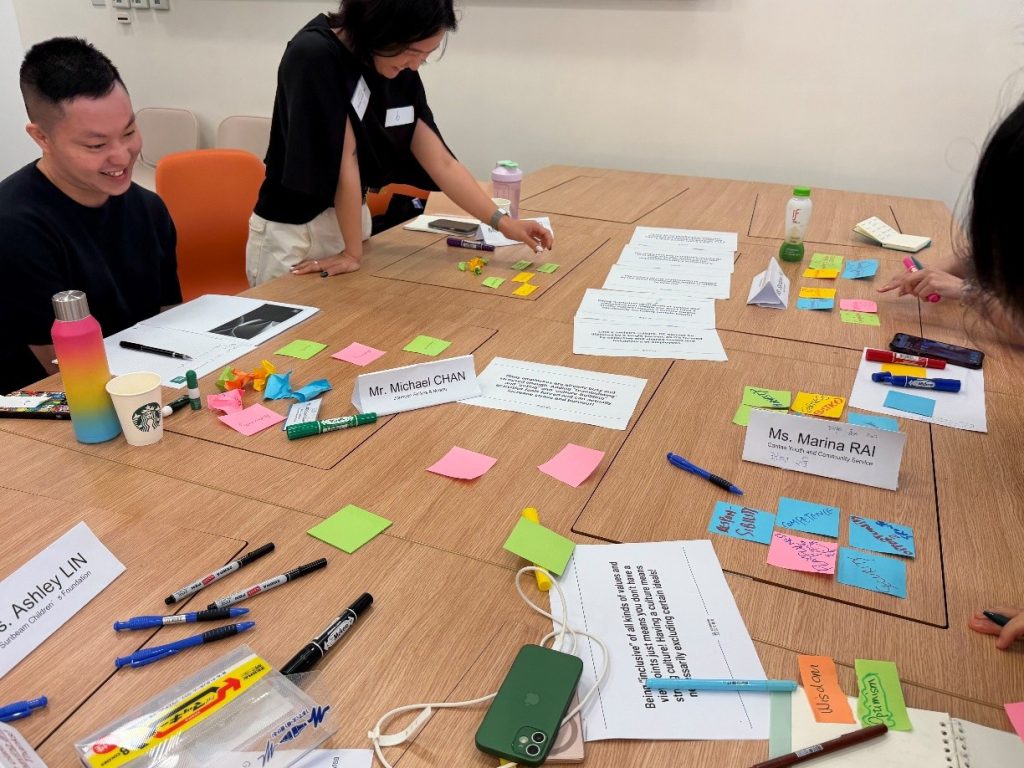
In the “Organizational Culture Clinic”, participants analysed real-world scenarios and developed actionable solutions to address common cultural challenges. Discussions on unconscious bias and structural barriers further encouraged fellows to reflect on their own organizational contexts.
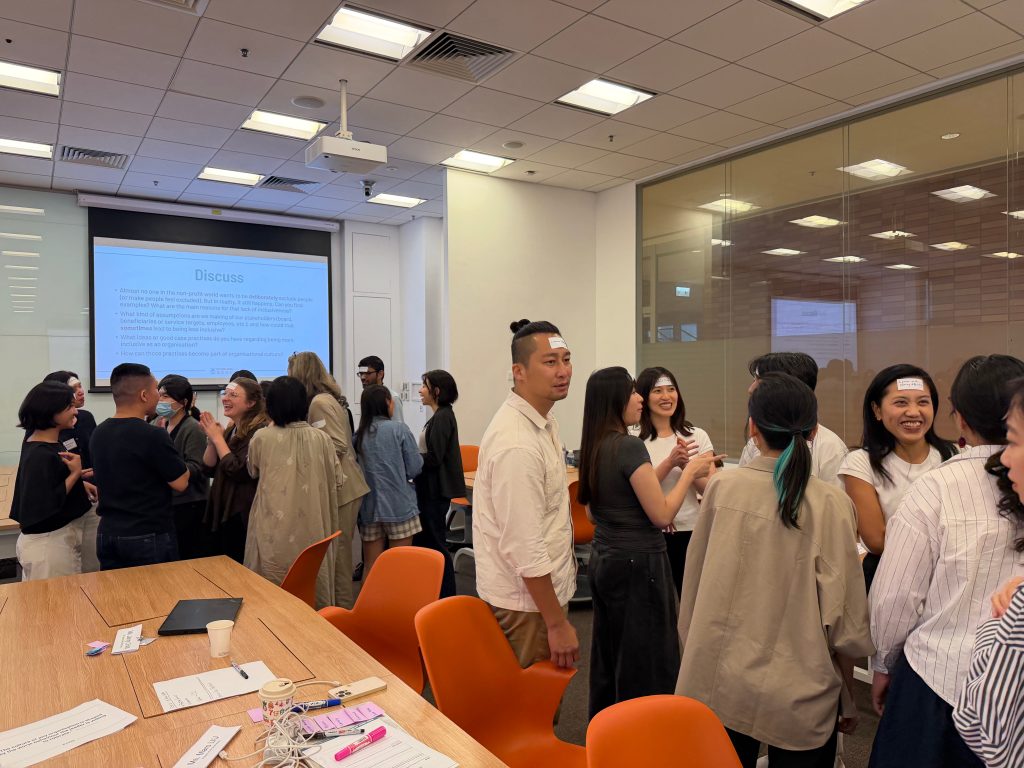
By the end of the session, fellows were equipped with practical strategies to foster more inclusive, values-driven, and resilient organizational cultures in their own work.
As the programme progresses, fellows will continue to deepen their learning and apply these tools to navigate the evolving challenges of the social impact sector. Stay tuned for more updates as we follow their journey of growth, reflection, and impact!