
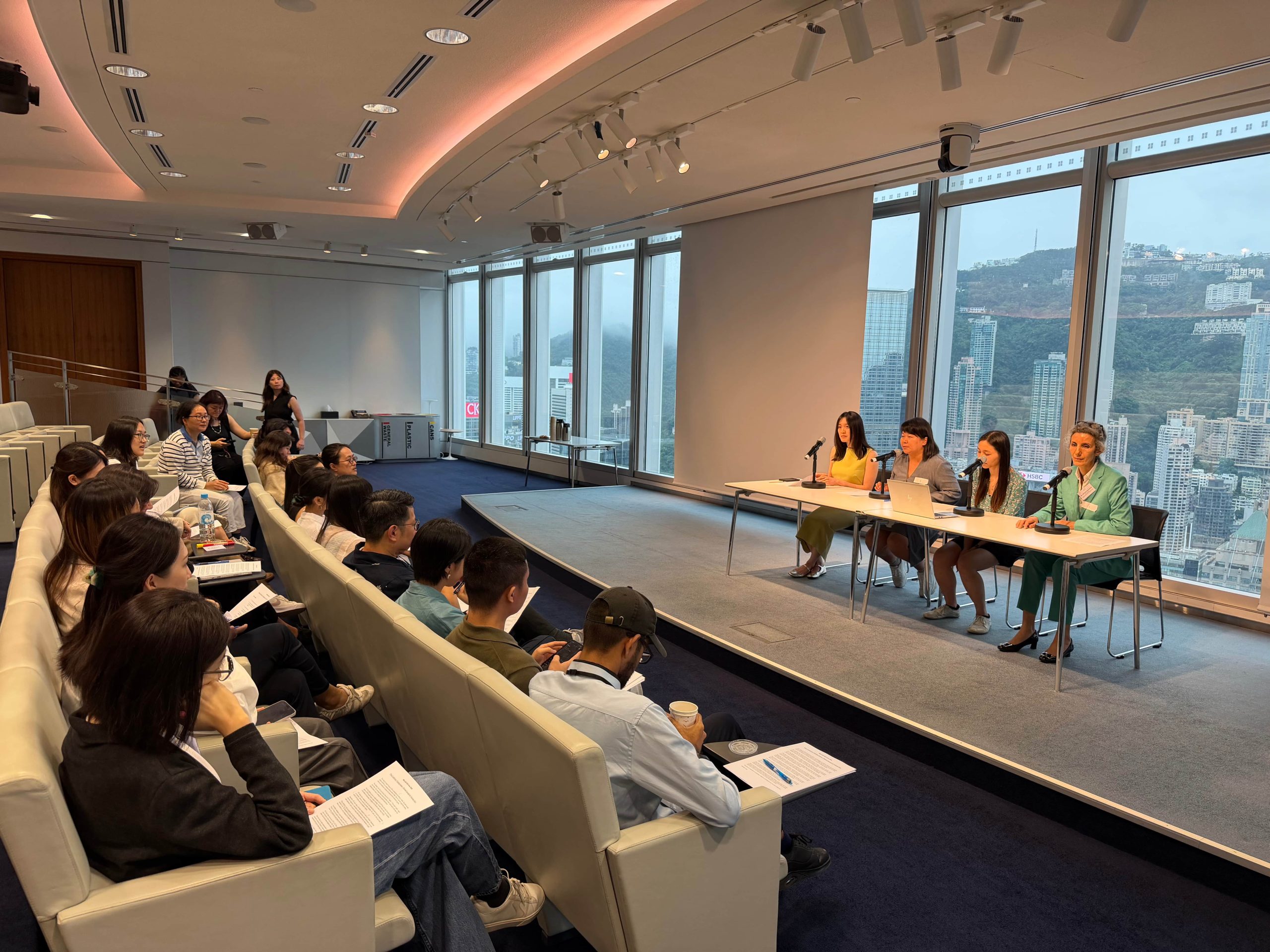
Session 7: Social Innovation
What if AI could help solve social service issues? This session challenged fellows to think like socialinnovators—starting with problems, not solutions. Mr. Cyron Chan, Founder of Chaotic InnovationStudio, guided the cohort through the fundamentals of AI, Generative AI, and AI Agents. With a background in computer science and social service management, Cyron brought a rare blend of technical expertise and sector insight. He introduced a hands-on prototyping tool—Lovable—and invited fellows to build a simple AI solution for a real social issue. In just minutes, teams created working prototypes tackling issues such as homelessness, elderly care, and youth mental health—using AI to connect people with services, match needs with resources, and offer timely support.
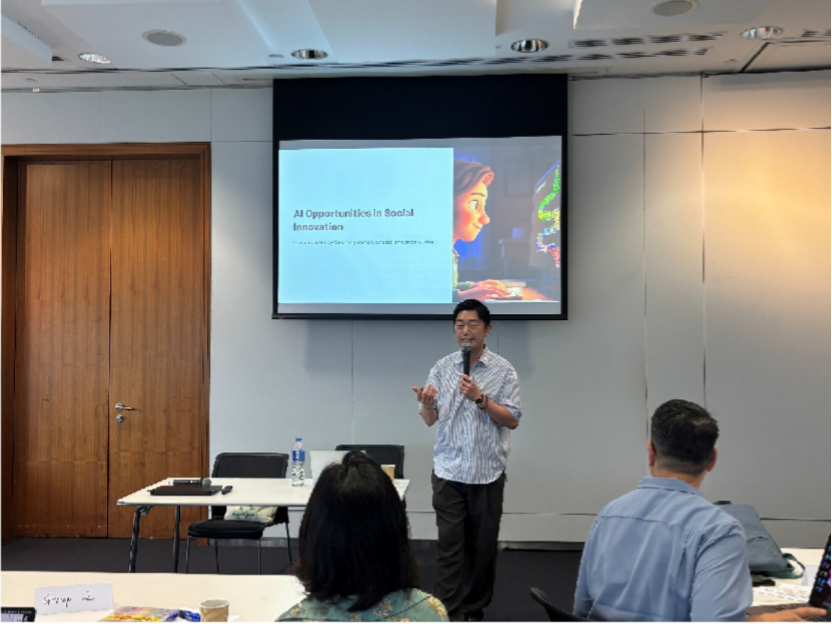
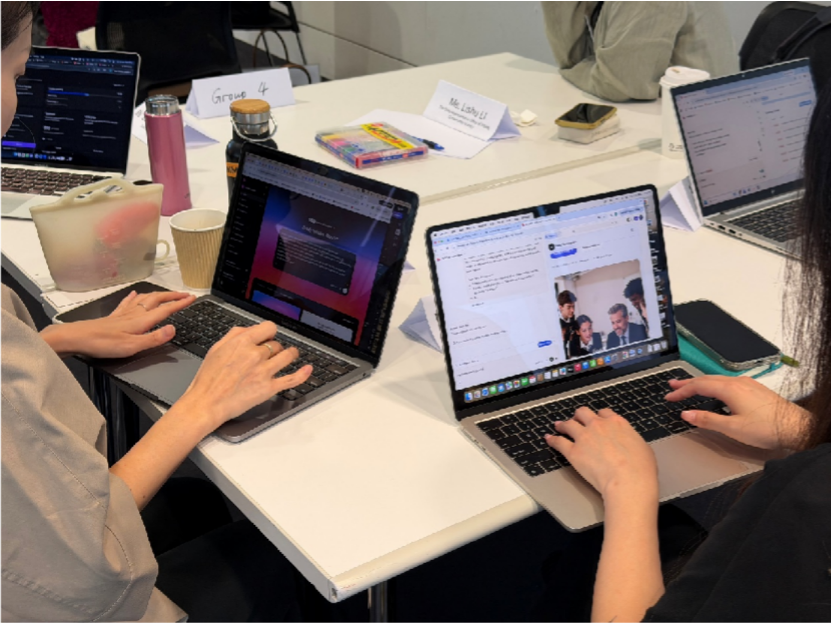
Beyond the technology, Cyron emphasized the social innovator’s mindset: “Fall in love with the problem, not the solution.” Innovation, he argued, is creativity plus impact plus sustainability. Fellowslearned to embrace mistakes, iterate quickly, and
test ideas with real users. The session closed with rapid-fire pitches, where each team presented theirprototype and received peer feedback. “Fall fast, learn faster” became the day’s mantra. By the end, fellows left not with polished products, but with a new way of thinking—and the confidence toexperiment with AI in their own organizations.
Session 8: Risk Management & Media Competency Workshop
In an era where a single misstep can make headlines within hours, every nonprofit leader must beprepared to manage crises and engage with the media. This session equipped fellows with the practical skills to do both. Mr. Nick Case, Founder and Lead Trainer at Armstrong-Hilton Limited, and Ms. Yenni Kwok, Lecturer at the University of Hong Kong’s Journalism and Media Studies Centre and a veteran journalist of nearly three decades, jointly led an intensive workshop on risk management and media competency.
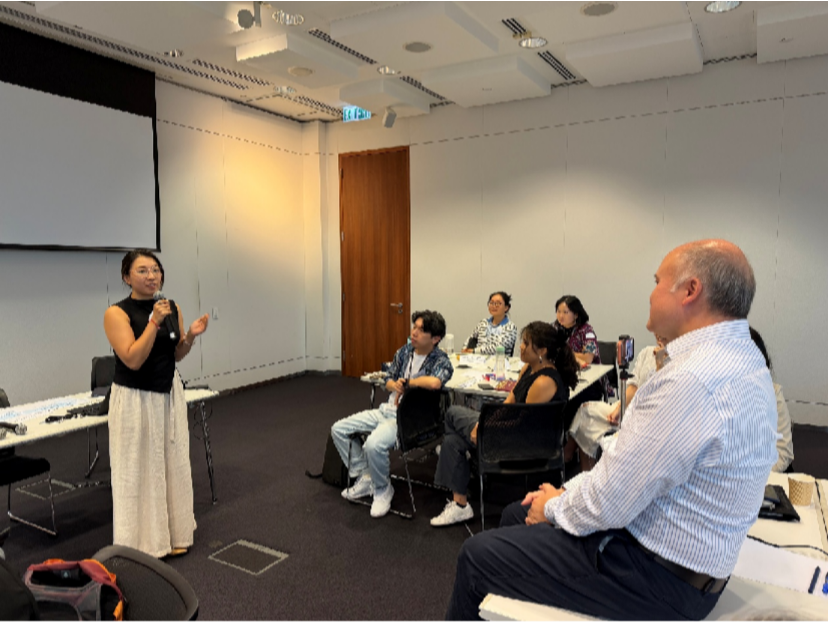
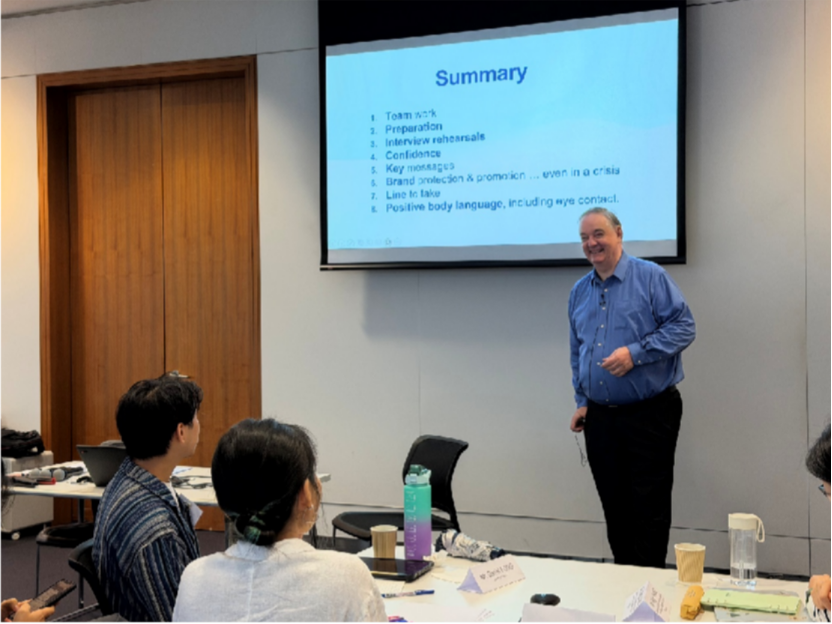
The session began with an overview of why engaging with the media matters, good interviewtechniques, and how to prepare for crises. Fellows then put these skills to the test – one-on-one interviews, where volunteers delivered a three-minute “elevator pitch” for funding, articulating problem, solution, and impact. Trainers provided real-time critique on messaging, body language, and technique. Mr. Rob Stewart, Head of Corporate Communications APAC at UBS and a member of the SSILP Steering Committee, then shared insights on corporate risk and strategic
communications, offering a valuable corporate perspective on how large organizations approach reputation management.
The afternoon shifted to a simulated press conference based on a crisis scenario: an NGO-run children’s home facing both a disease outbreak and ongoing child abuse allegations. Teams worked together to write a press statement, select spokespersons, and stage a live news conference, responding to tough questions under pressure.
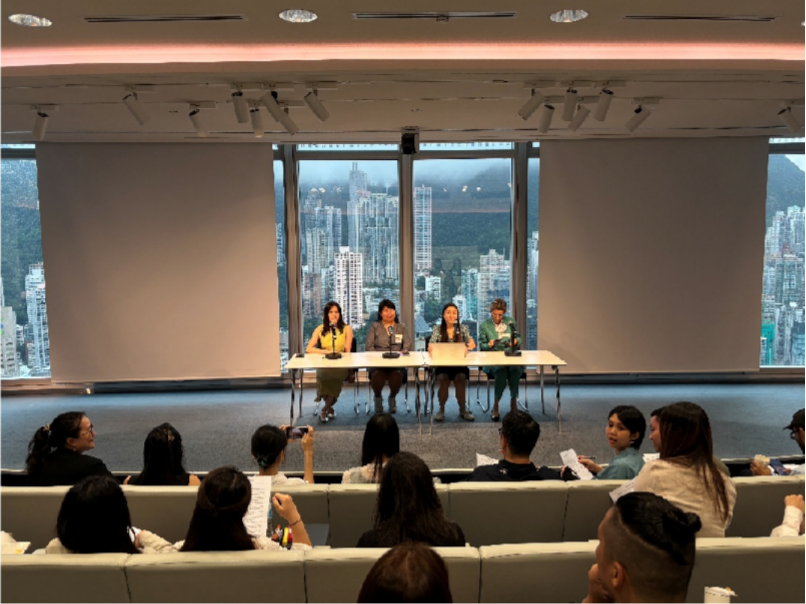
By the end of the session, fellows left with a deeper appreciation for the interplay between risk andreputation. Crisis will come—but with the right preparation and media savvy, it can become an opportunity to demonstrate leadership and build trust.
Session 9: Pitching Skills Workshop
A compelling pitch can be the difference between securing funding and walking away empty-handed. Yet many nonprofit leaders struggle to communicate their impact with clarity and confidence. This session equipped fellows with the tools to master both. Ms. Zamira Monteiro, Founder of Amplify Consulting, brought over a decade of nonprofit leadership and strategic communications experience to guide the cohort through the art of pitching. She introduced a simple yet powerful framework: WHO areyou talking to, WHAT are you saying, and HOW are you saying it?
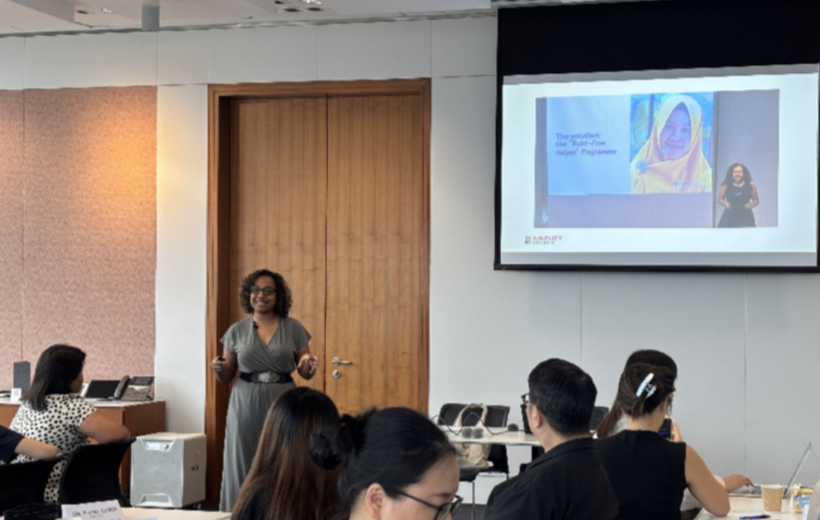
For the WHAT, Zamira broke down the pitch into three essential parts. The opening—no more than 15 seconds—should grab attention, introduce the speaker, and make the audience part of the journey. The middle should cover three to five main ideas, moving from the problem to the solution and finally to the impact, using data and stories to bring the idea to life. The closing—25 to 30 seconds—should recap the main message, tie back to the opening, and end with a powerful call to action. “Tell them whatyou’re going to tell them, then tell them, then tell them what you’ve told them,” She advised.
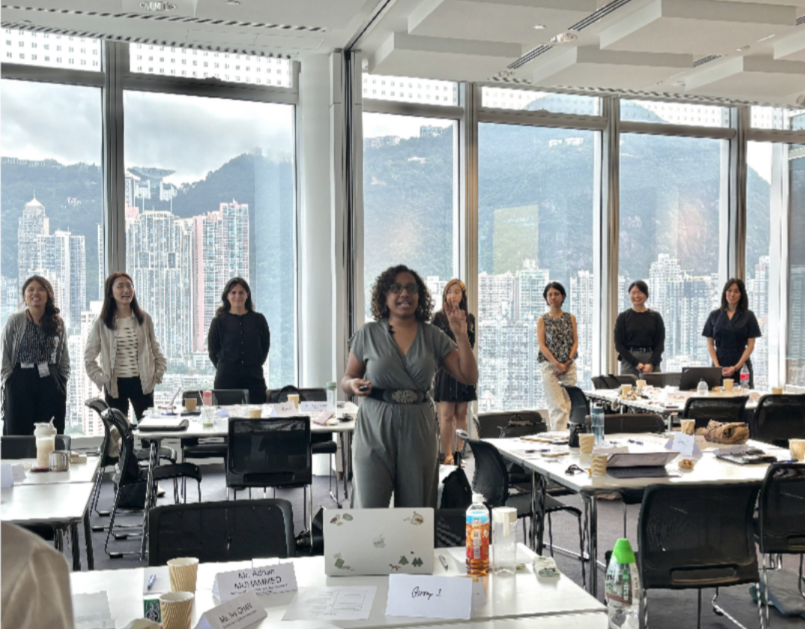
For the HOW, Zamira emphasized stage presence, body language, voice control, and eye contact. Sheshared practical tips: plant your feet, keep hands in the “hand box,” vary your tone and pace, and hold eye contact for three to five seconds per person. On slides, she urged fellows to use less text, more images, and no more than ten slides.
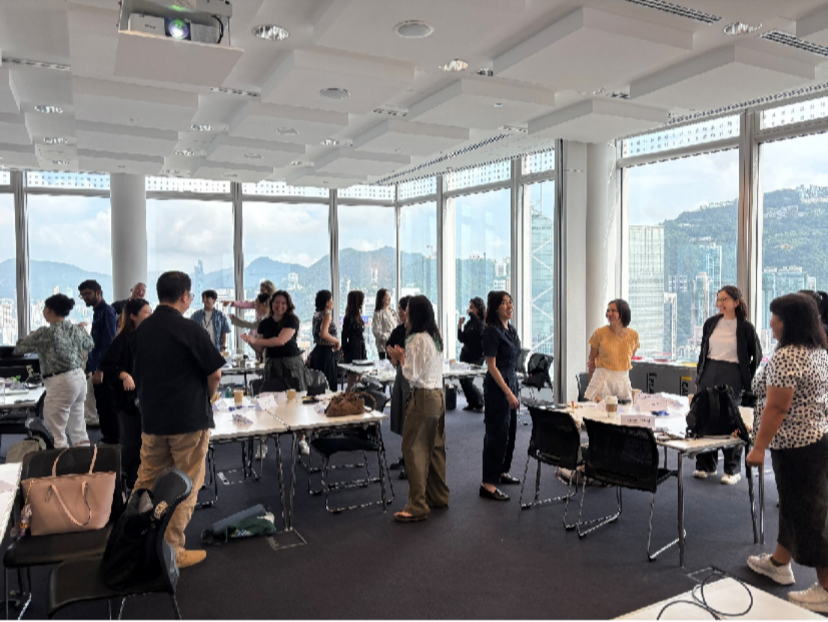
The session culminated in a hands-on practice, where fellows worked in small groups to deliver their pitches and receive peer feedback. By the end, fellows left not only with a structured framework but also with the confidence to tell their organization’s story with clarity and conviction.