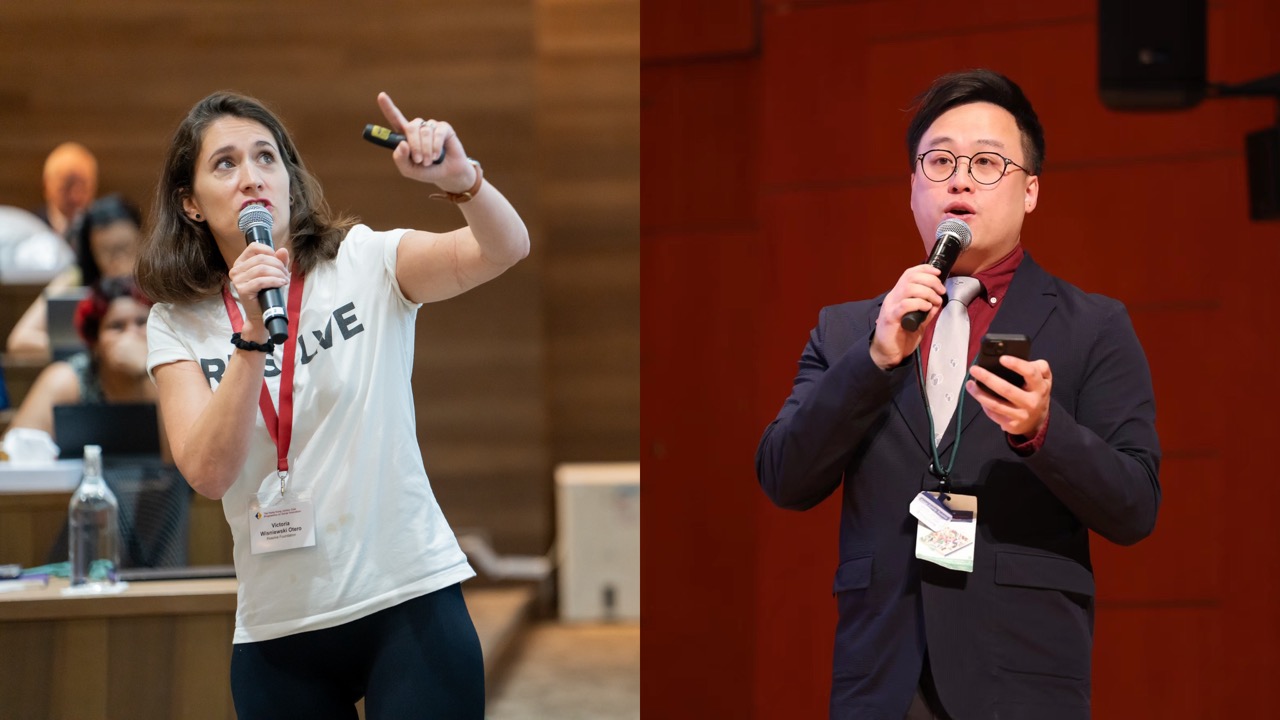
When Victoria Wisniewski Otero, Founder & CEO of Resolve Foundation, and Wesley Pang, Service Director of Aberdeen Kaifong Welfare Association, were asked what stayed with them from SSILP, neither simply mentioned a lecture, a framework, or a specific skill. Their answer was the same: the people.
“The most valuable thing that I did for myself at that time was that I used the network of the program,” Victoria says. Wesley’s phrasing is nearly identical: “The network and the connections were extremely powerful for me.”
This is not what program evaluations usually measure. But it may be what matters most.
─────────────────────
Victoria joined the SSILP program (then called NGOLP) in 2015 as a mid-manager at Justice Centre Hong Kong, where she worked with refugees and asylum seekers. That year she pitched an idea for a leadership development project. But she did not get shortlisted. “At the time I remember feeling really disappointed,” she says. “But it was formative.”
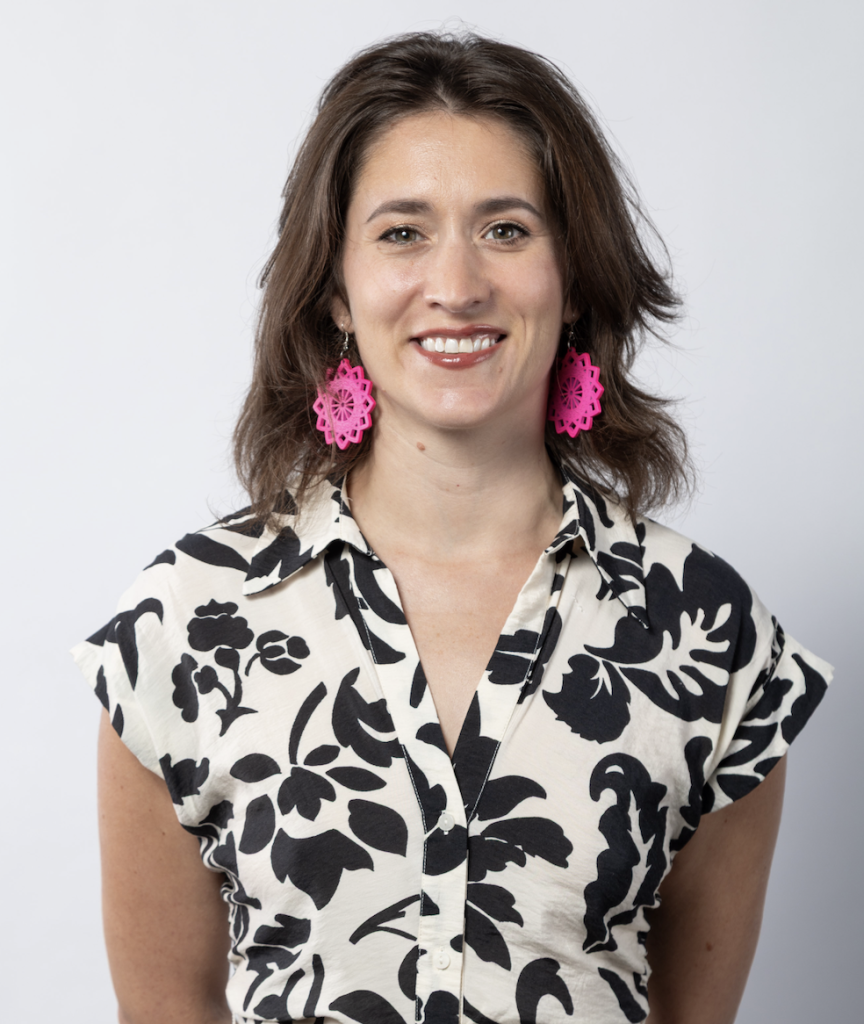
Victoria’s headshot.
In the short term, it looked like a setback. Within months of finishing the program, she left her organization — burnt out after years of working on refugee and migrant issues during a period of intensely anti-refugee public discourse in Hong Kong. She took a sabbatical. She let the experience settle. And then, slowly, the network she had built through SSILP began to work in ways she had not anticipated.
She reached out to the professors who had taught the program — Molly, Monica — for feedback on a new concept. They encouraged her, made introductions, and one of them later provided pro bono support on impact assessment for her pilot. She contacted her mentor from the program, Rob Stewart, who continued to meet with her separately for years. And she reconnected with a fellow cohort member, Willy Kwong, who eventually joined the board of the organization she would go on to found.
“I often tell my team that personal growth and development — only 10% comes from formal training,” Victoria says. “It really comes from peer exchange and the network.”
That network became the foundation of RESOLVE, the nonprofit she founded in 2017. The idea started as a program she tried to pitch to existing organizations, but it did not fit neatly into anyone else’s mission, and people kept encouraging her to set it up on her own. “I actually didn’t want to found an NGO,” she says. “I just wanted to do work that would be purposeful and leverage my strengths. And I couldn’t find an existing job description for it.”
The purpose came before the format. The format became RESOLVE— a set of values: Rights, Equality, Solidarity, Organization, Leadership, Voice, and Empowerment.
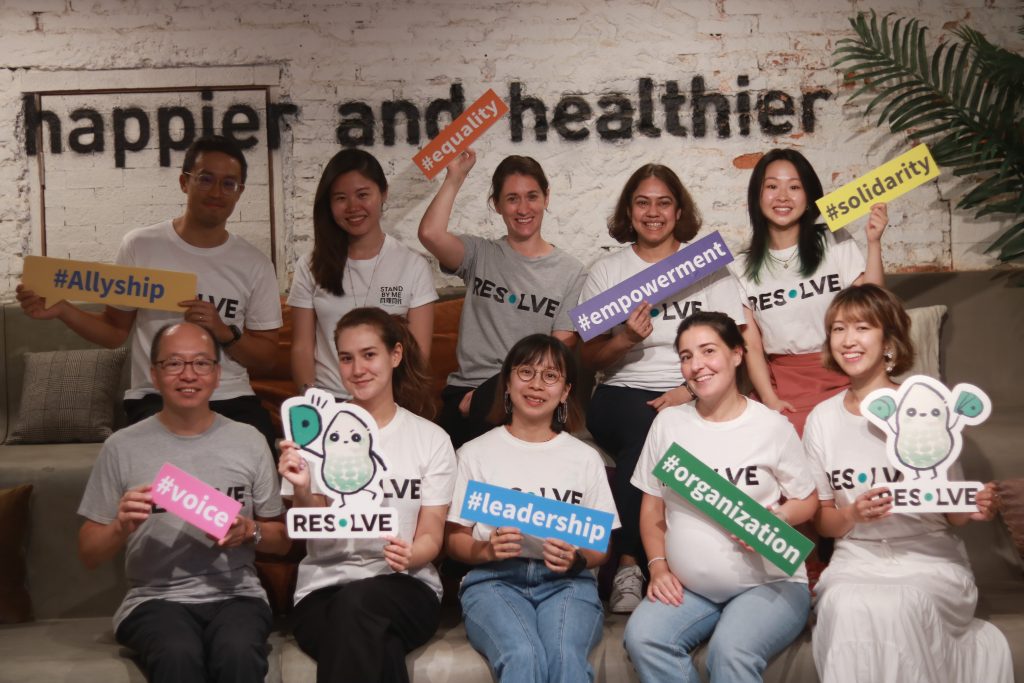
Victoria (second row, center) with the Resolve Foundation team.
Over the following years, leading Resolve Foundation forced Victoria through a series of leadership transitions that she describes with unusual candour. The first — moving from individual contributor to people manager — was already underway when she entered SSILP, and the program helped her navigate it. The second, harder shift came later: from seeing RESOLVE as a project to seeing it as an organization with systems, team structures, and long-term strategy.
“Once we passed the pilot program, I had to start seeing — actually, there’s an organization model. It needs systems, human guidelines. Your success is no longer directly attributable to what you do. It’s about what your team does.”
That realization crystallized during a difficult period in 2022, when the organization went through heavy turnover — much of it COVID-related, some of it tied to the broader exodus from Hong Kong — and Victoria was three months away from giving birth to her second of four children. The pressure forced her to delegate, to trust her team, and to stop holding onto things she could not change. “I just really don’t have the space anymore. Move on.”
The same clarity extends to her view of the sector. She sees a funding landscape designed for an era that is passing — one where programs meant in-person service delivery, grants were project-specific, and anything digital was treated as “marketing” rather than mission-critical outreach and public education work.
The world her community lives in is increasingly online, particularly young people, shaped by social media and AI, and she believes the philanthropic infrastructure has not fully caught up with these rapid trends.
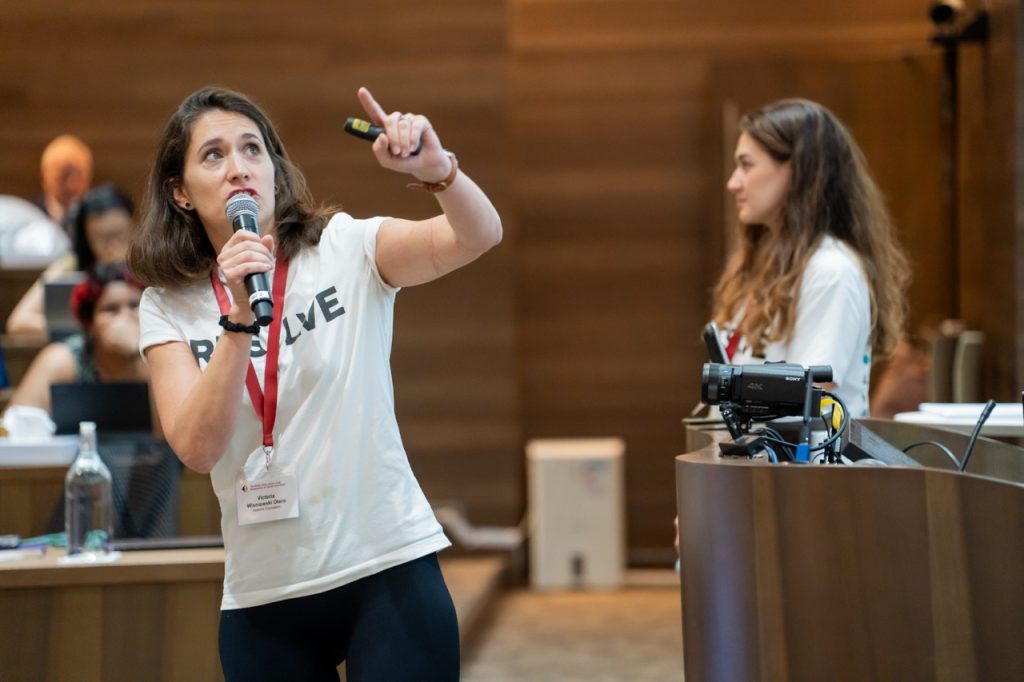
Victoria in the Hong Kong NGO Governance Program.
She wants to see more pooled funding, more unrestricted grants, and what she calls “fractional services” — shared infrastructure that allows NGOs to access a chief technology officer or a chief financial officer without each bearing the full cost alone. She uses AI daily, and she would like to see more support and funding to enable nonprofit tech and industry standards on its ethical usage.
None of this was planned. Victoria did not set out to found an organization but rather to do work that would respond to a community need in a purposeful way, and she did not expect some of the challenges that came with it. Yet through those experiences, she became a leader who learned to let a network carry her forward, who adapted as her role outgrew her, and who now holds both ambition and hope for the sector she helps lead.
─────────────────────
Wesley’s experience of SSILP was different in timing but strikingly similar in what endured. He joined the program in 2023, running youth and family services in Aberdeen Kaifong Welfare Association, a district-based NGO in Hong Kong’s Southern District. A social worker by background, he had spent his career in fairly conventional NGO settings — district-based, client-facing, service-delivery oriented. The program opened his eyes to organizations of different sizes and missions — more international, more entrepreneurial — and to peers who thought differently about what social service could look like.
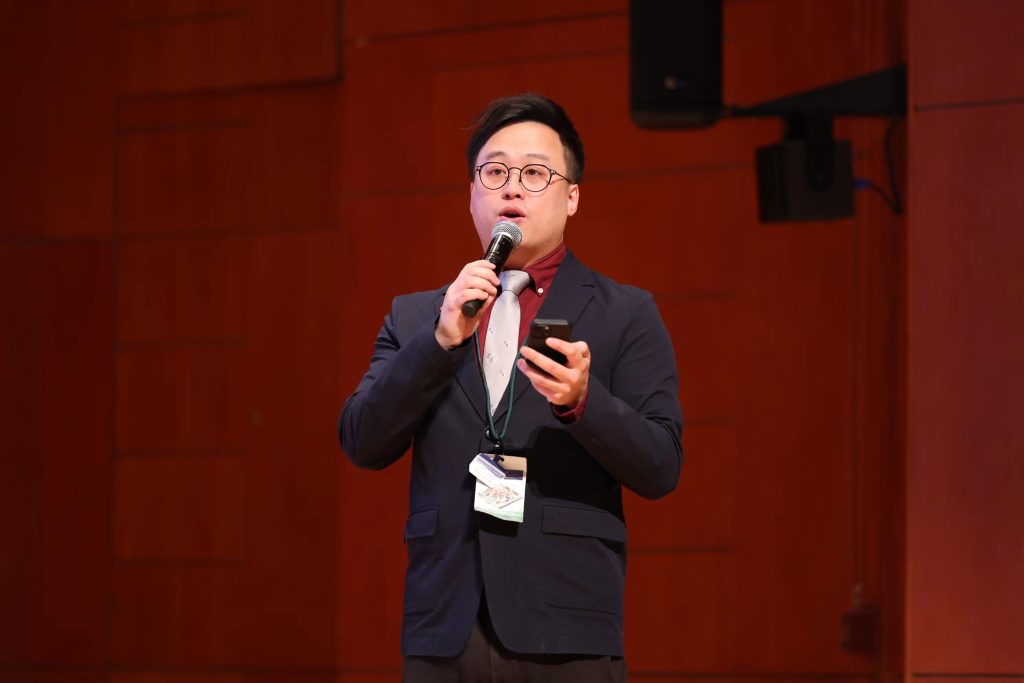
Wesley at an event.
His cohort, he says, was unusually close. “Whenever there were alumni gatherings or welcome occasions, our cohort usually had the strongest attendance.”
That closeness translated into collaborations that outlasted the program. He co-organised a children and youth event with Cylon, a cohort member then at MakerBay. Another member, Kathy, went on to co-found a social enterprise called Future Leader Union; Wesley’s youth center later partnered with her on AI education programs. In the 31st European Social Services Conference in Malmö in 2023, he occasionally together with the cohort fellow Macro, in which the colearning experience in SSILP helped much in the knowledge exchange process.
“Even when collaboration did not immediately produce a final outcome, the process itself created opportunities,” he says. “Innovation and networks do not become material overnight, but after three years a lot of collaboration has grown out of those relationships.”
One concrete example: the evolution of his SSILP pitch project, “Time Travelers”, an age-simulation program designed to let people experience what it feels like to be older. During the mentoring process, a UBS coach suggested he pitch it not only to the general public but also to professionals — nurses, engineers, people actively shaping future society. That shift in perspective changed the program’s direction. It was not an immediate success, but the program was expanded into tertiary education institution such as HKU Nursing school, secondary schools, primary schools, and social workers beyond elderly services.
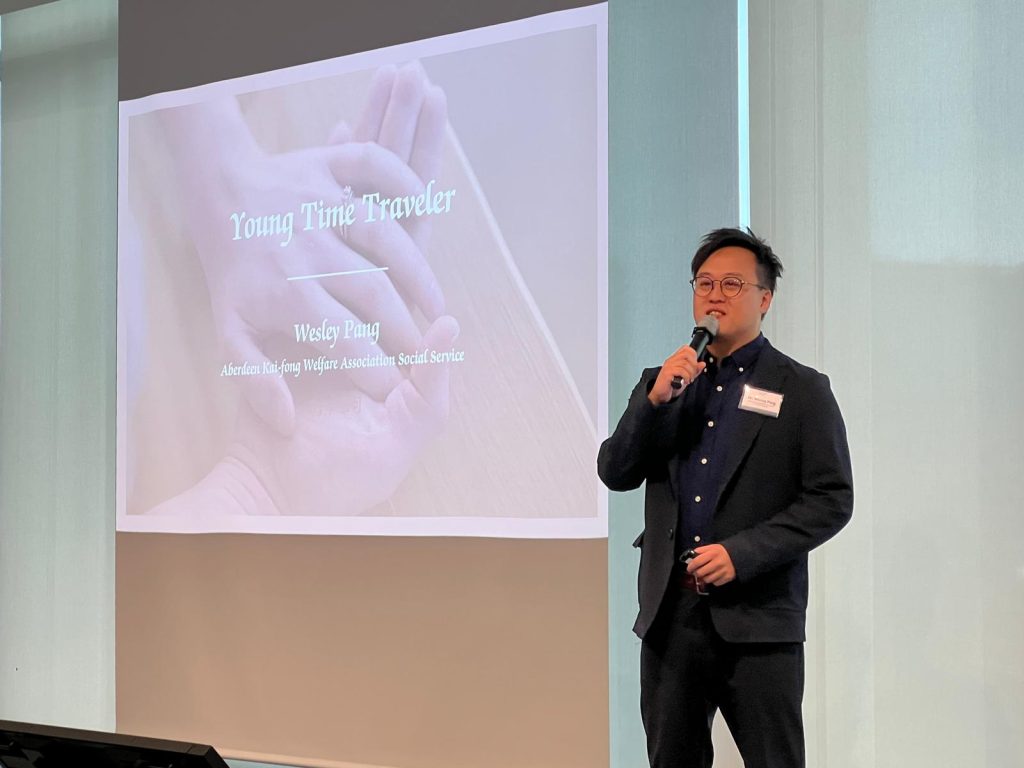
Wesley at the 2023 SSILP Pitching Day.
On the sector’s challenges, Wesley is clear about the new normal: rapid, relentless change. He has worked in NGOs for sixteen years, and the last five have been unlike anything before — COVID, then the post-pandemic mental health wave, then a 7% government budget cut, then emergency incidents that redirected resources overnight.
“Compared with ten years ago, when major changes might feel generational, now new needs, new projects, new social policies, and new strategies can emerge every year or even every half year.”
The response, for him, is not to try to predict every shift, but to invest in people who can adapt. His agency has shifted more resources toward talent development and leadership training. “We cannot fully predict every future change,” he says. “But if we can make our people more future-ready, they will be better able to face changes over the next five to ten years.”

Wesley (second from right) at the Golden Age Expo & Summit.
He also identifies a structural challenge that is less visible but equally consequential: demographic change. His organization is highly district-based — around 90% of its services are in Southern District, where family and household structures are expected to shift in the coming years. With changing residential patterns, the development of the Northern Metropolis, and the integration of the Greater Bay Area, the map of Hong Kong’s social service needs is being redrawn.
Wesley did not enter the program looking for a new direction. He found something quieter but more lasting: a wider lens on his own work, and relationships that kept teaching him after the program ended. His agency still serves the same community, but he now reads the forces reshaping it — demographic change, policy shifts, new technology — with a clarity he did not have before.
─────────────────────
Victoria built an organization from a network. Wesley transformed a conventional service approach by staying connected to people who thought differently. Both describe the same mechanism: the program placed them in a room with people they would not otherwise have met, and the relationships built there — through both formal sessions and informal conversations — became the foundation for much of what followed.
“What mattered most was that we built trust through both formal and informal interactions during the program,” Wesley says. “Even when people changed organizations, I still understood what they were doing and could continue to connect with them.”
Both have also arrived at a similar diagnosis of what the sector needs. They want fewer silos and more shared infrastructure. Victoria advocates for pooled funding, fractional services, and flexible grants — models that treat NGOs as organizations worth investing in, not just projects worth funding. Wesley calls for more strategic private-sector partnerships — matching funds, mentorship, exposure to business thinking — and more academic support to help NGOs articulate their work in research-based ways.
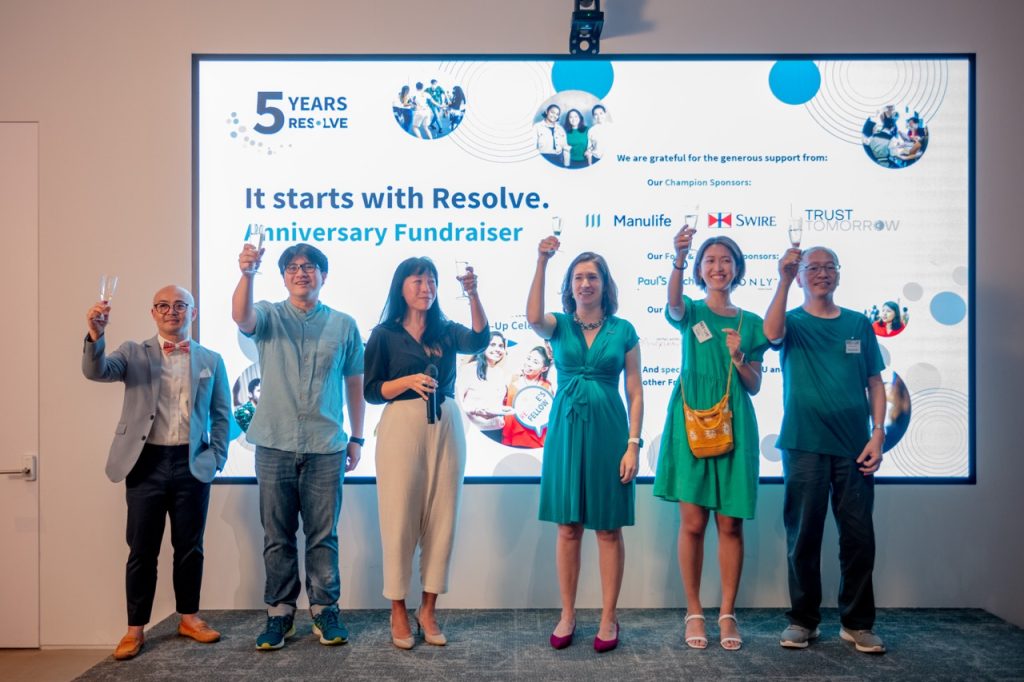
Victoria (third from right) at the 5 Years Resolve Anniversary Fundraiser.
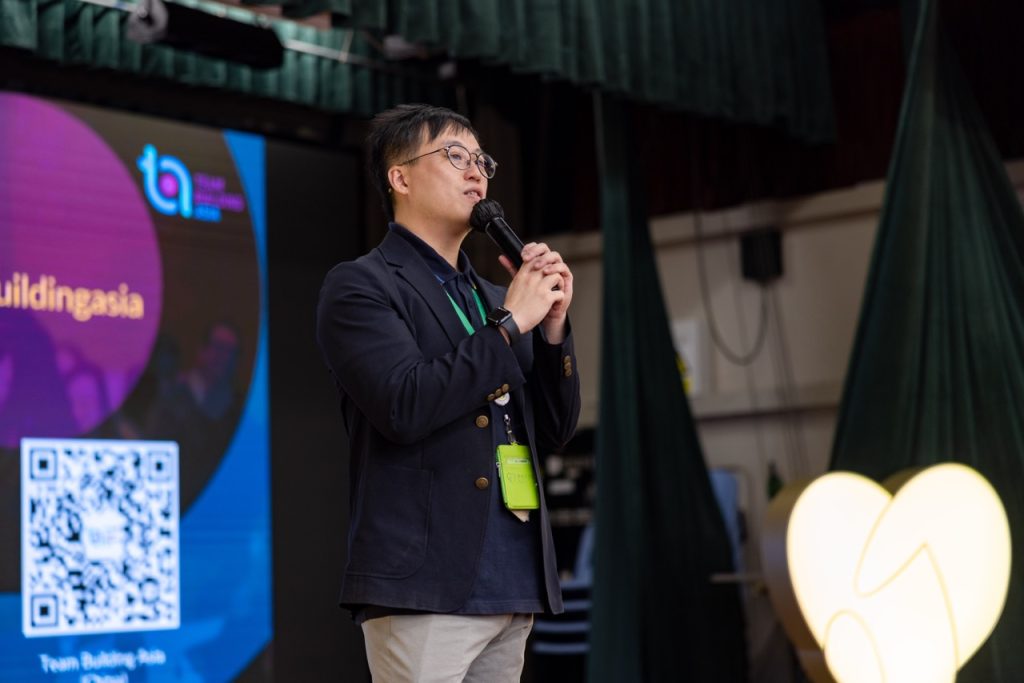
Wesley at an event.
Victoria and Wesley are not the end of this story. Victoria is still building RESOLVE, still negotiating co-funding models with foundations, still figuring out how to make AI work for her team without compromising Resolve’s values, and still exploring how to reach wider audiences in Hong Kong and become a fully bilingual organization. Wesley is still preparing his agency for a demographic shift that has not fully arrived, still experimenting with AI in ways that balance efficiency with security, and still drawing on — and contributing to — a network that began in a classroom years ago, working with other NGOs across the sector to build sustainable synergies that amplify impact beyond what any single organization could achieve alone.
What connects them is not a program they once attended. It is what they did with what they found there — the people they stayed in touch with, the trust they maintained across organizations and years, and the growing conviction that the sector they work in will only become more collaborative, more adaptive, and more connected than the one they entered.