Session 4: Cross Sector Collaboration
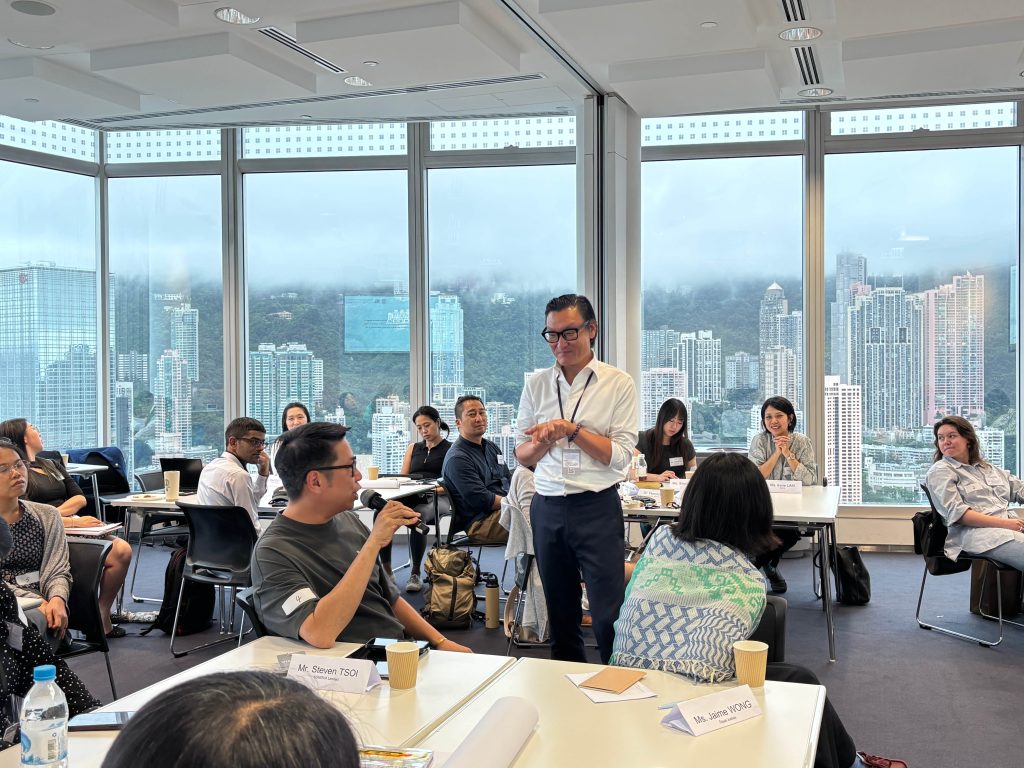
Tackling complex social challenges rarely rests on a single organization. Effective solutions demand collaboration across government, business, academia, and the nonprofit sector—yet aligning divergent interests, resources, and accountability is never straightforward. In this session, Professor Paul Wong, Associate Professor from the Department of Social Work and Social Administration, HKU. introduced the Quad‑Helix ecosystem and strategic frameworks such as the Theory of Change (ToC) and Logic Model, helping fellows understand how to move from causal logic to operational planning. Participants also explored how academic theories, frontline practitioner insights, and outcome‑linked funding come together in real‑world collaborations.
Mr. Bosco Leung, Social Responsibility Lead at MTR Corporation, then offered a corporate lens on cross‑sector partnerships. He shared practical examples including the EmpowerZ youth placement programme and the rapid delivery of tablets to families after the Tai Po fire tragedy. Bosco also spoke candidly about internal barriers such as risk aversion and misaligned expectations, urging fellows to practice transparent communication, do thorough due diligence, and position their work as “ESG‑as‑a‑service” that adds tangible value to business units.
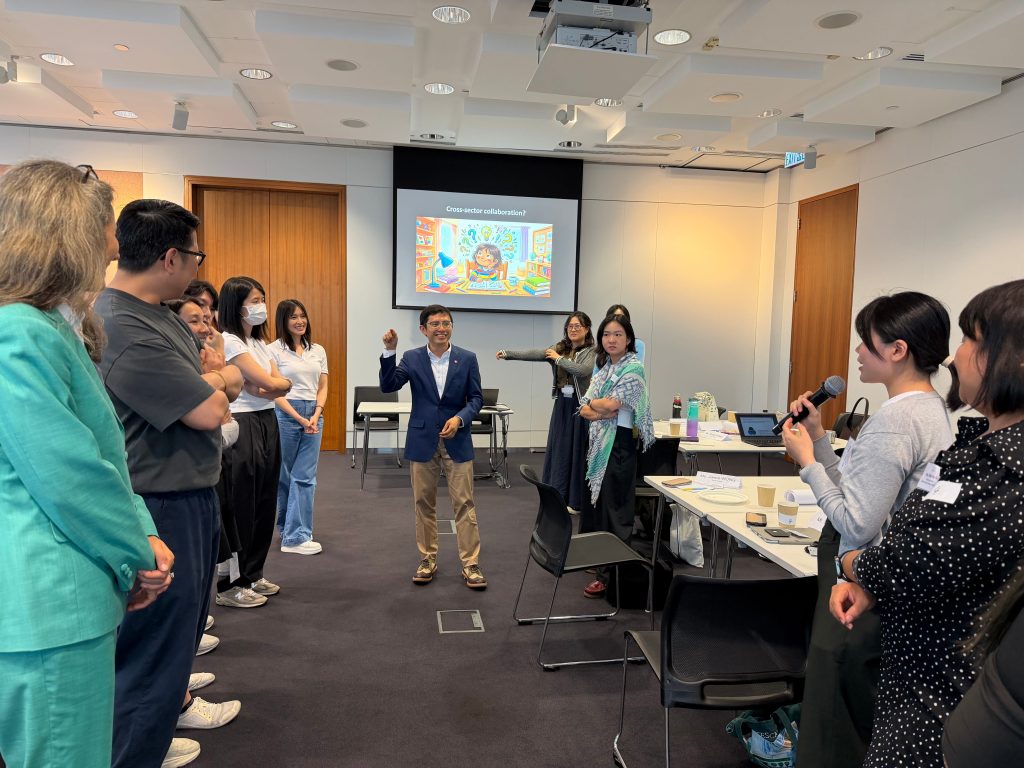
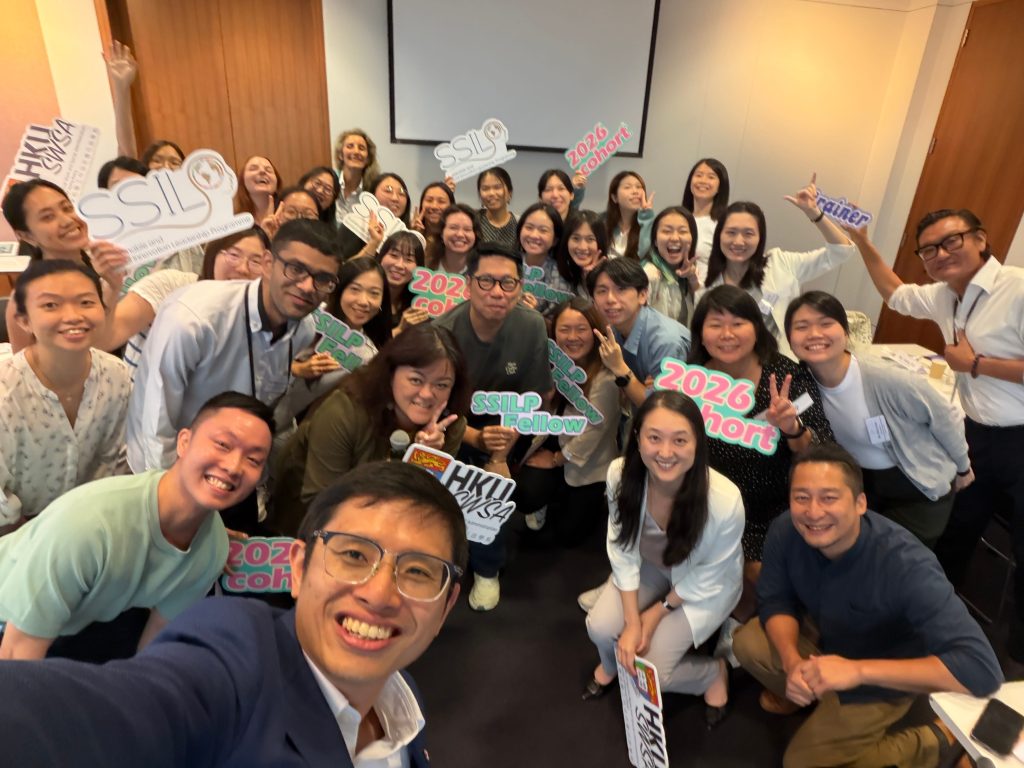
By the end of the lesson, fellows had gained both a strategic framework and grounded insights for building healthy and lasting collaborations.
Session 5: Evidence-Informed Decision Making
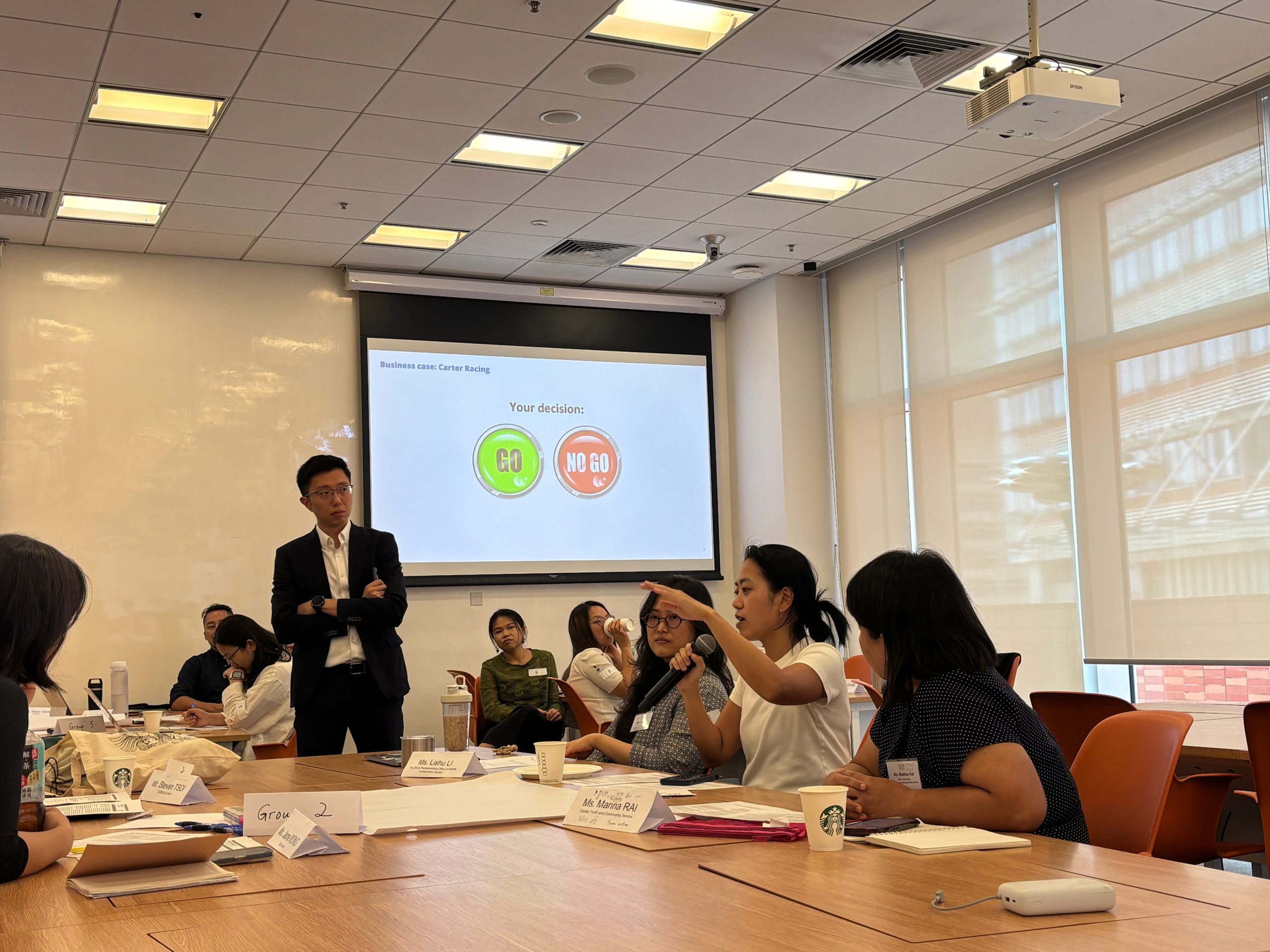
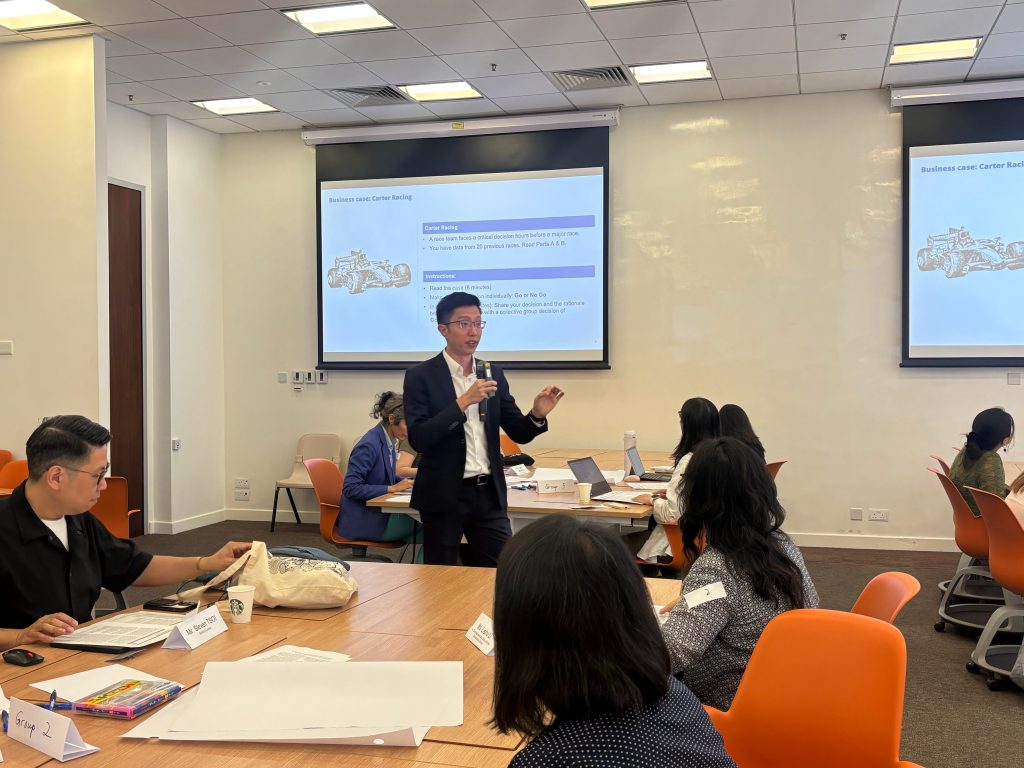
Nonprofit leaders face constant pressure to prove impact. This session challenged fellows to move from intuition to evidence-informed action. Mr. Brian Cheng, CEO of Generation Hong Kong, led the cohort through a Carter Racing case. Fellows made individual “go/no‑go” decisions, then revisited them after receiving additional information. The exercise revealed a hard truth: even good data can mislead if we ask the wrong questions. Brian then introduced frameworks such as Theory of Change, Logic Model, and MEL, emphasising that evidence must drive decisions, not merely justify past choices.
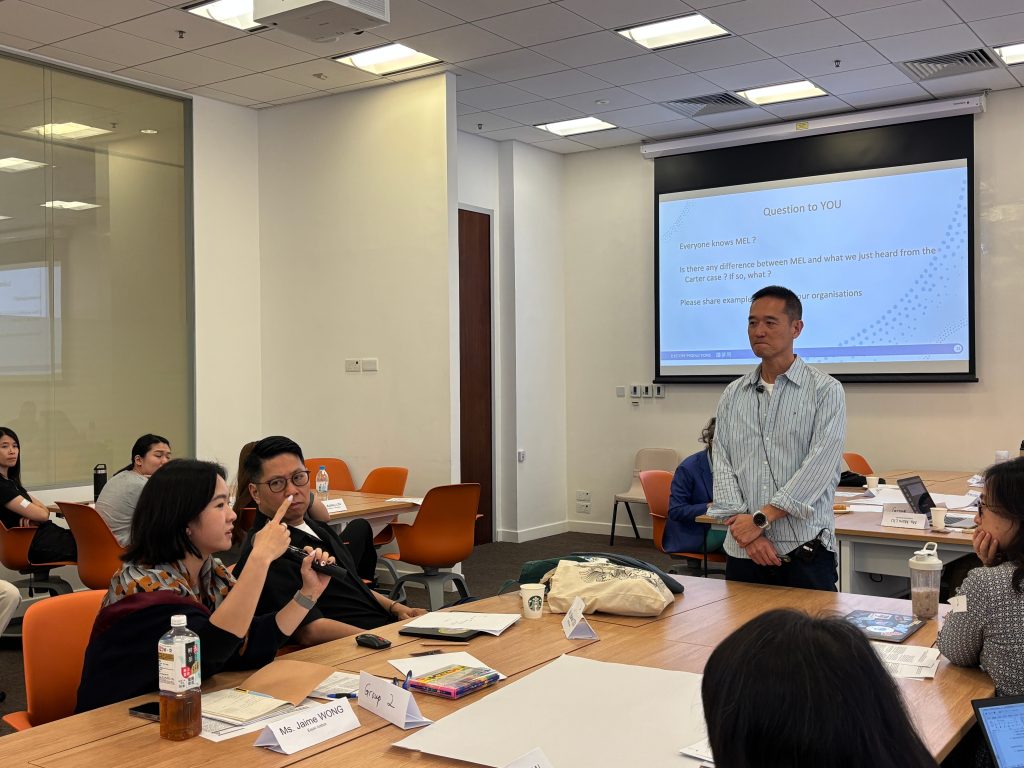
Mr. Lawrence Tsang, CEO of The D.H. Chen Foundation and co-founder of Dream2Story, brought a unique dual perspective—as both a funder and an NGO practitioner. He focused on the importance of MEL, challenging fellows to distinguish between collecting data for external donors versus for their own organizational learning. From the funder’s side, he shared what truly matters when reviewing proposals; from the practitioner’s side, he acknowledged the real constraints of limited capacity. Measurement, he argued, must fit the context—capturing what matters, not just what is easy to count.
The session closed with a “Commitment Lab,” where each participant identified one habit to start, stop, or continue. The key takeaway for the cohort is that evidence is not an end in itself—it is a tool for better decisions, deeper learning, and ultimately, greater social impact.
Session 6: Effective Communications & Grant‑Writing
Writing a winning grant proposal is equal parts art and craft. This session equipped fellows with practical tools to move from generic applications to compelling, funder‑ready proposals. Ms. Natalie Char, Senior Manager of the Swire Group Charitable Trust, opened with a funder’s perspective. She challenged fellows to ask themselves: “Can I trust this organization?” She walked the cohort through the donor’s mindset—alignment, risk, and the difference between activity and impact. Using Swire Trust as an example, she shared a five‑step framework: know yourself, do your homework, make a good first impression, shape the partnership, and build a lasting relationship. As she put it, donor engagement is like dating—chemistry and trust take time.
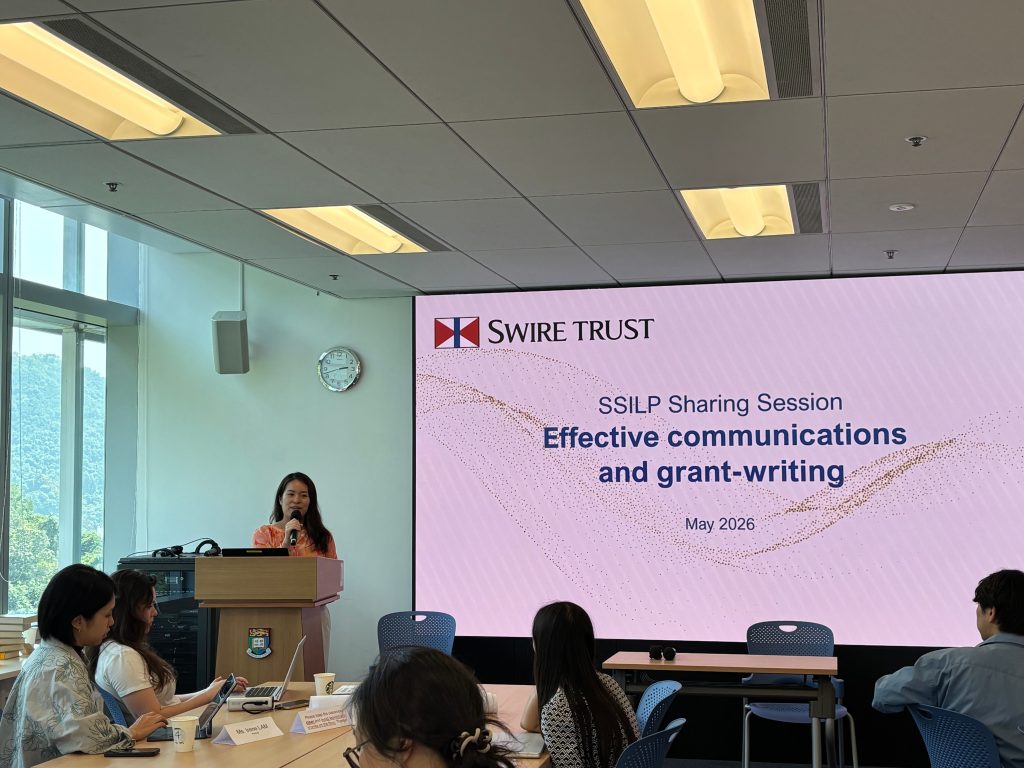
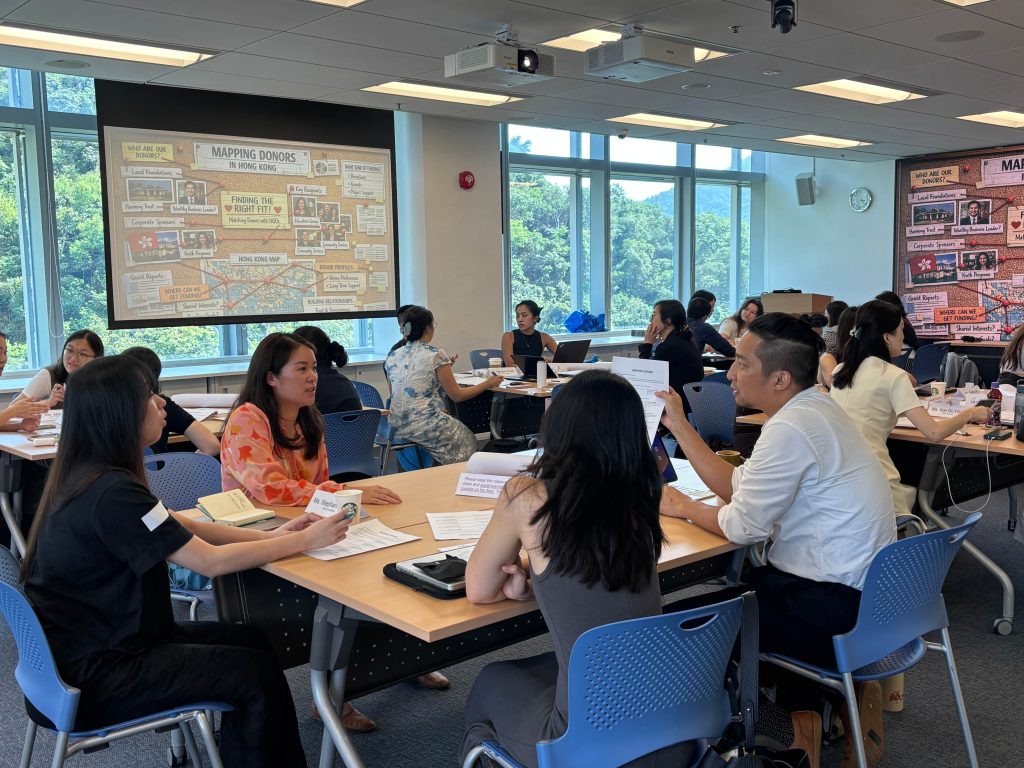
Mr. James Chong, Founder and CEO of Rolling Books, then brought the practitioner’s grit. He dissected bad proposal samples to reveal common errors: vague problem statements, unrealistic budgets, and misaligned project names. James emphasised that proposal writing is a creative process—use visuals, diagrams, and storytelling backed by data. He also aligned proposal writing with pitching: same vocabulary, same key visuals, no stock photos of elderly Caucasians for local projects. Fellows also learned to handle rejection gracefully, build reputation through smaller grants, and remember that funders ultimately fund people they trust.
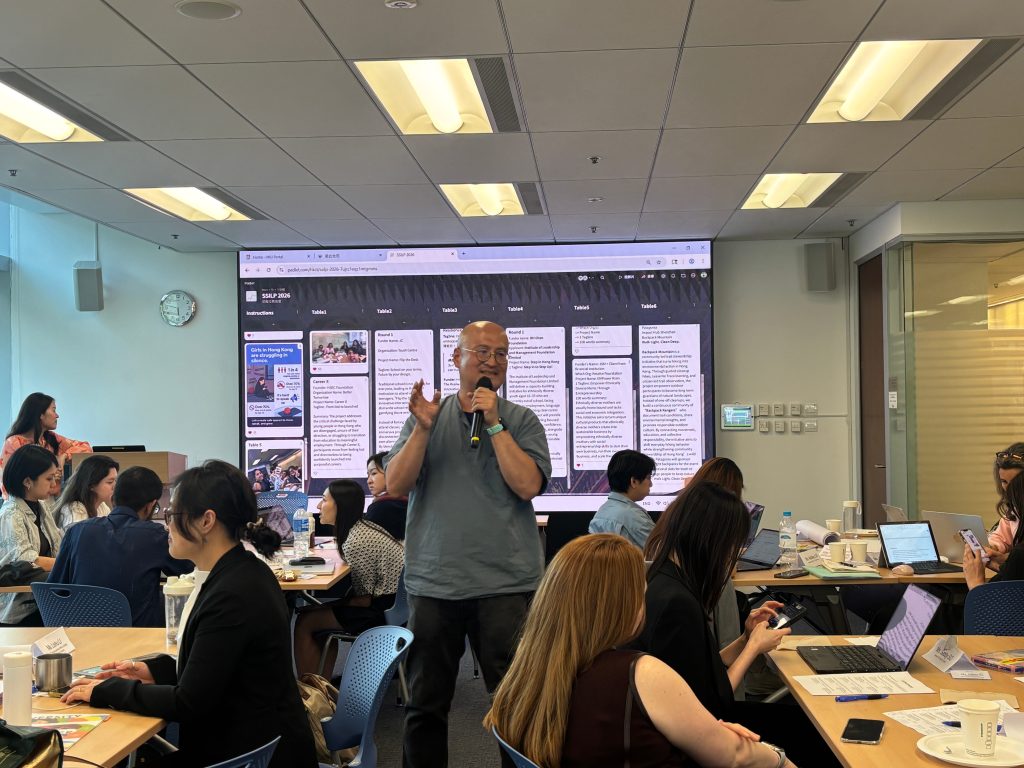
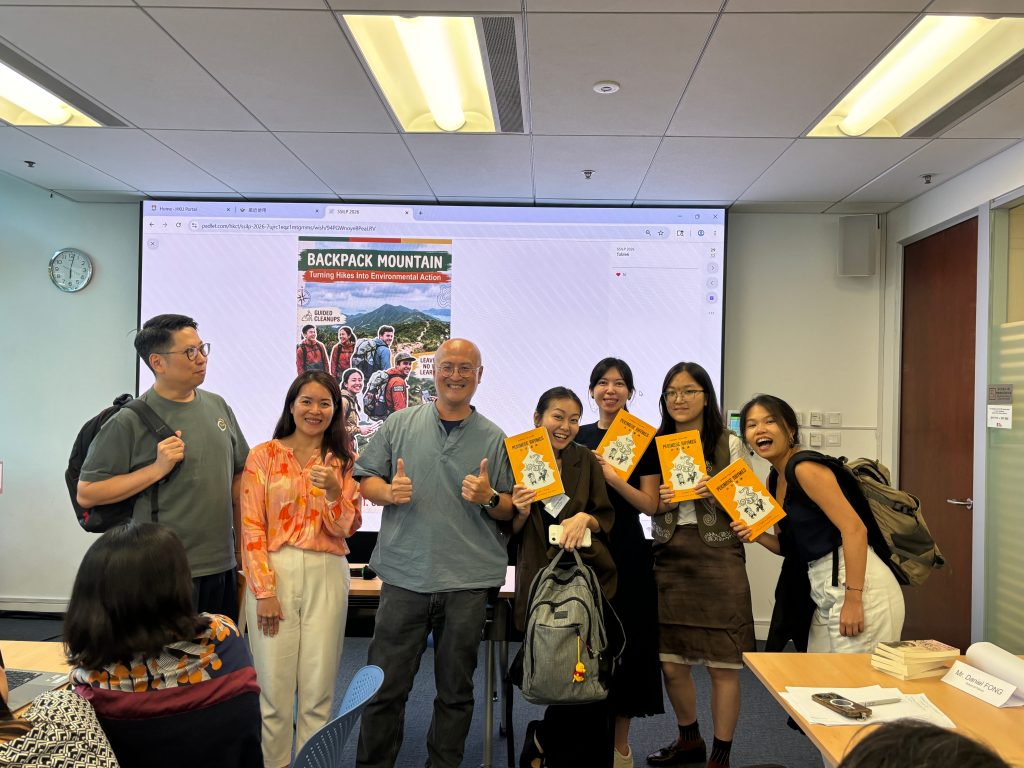
The key takeaway for fellows today is—Effective communication is not about sounding impressive—it is about helping funders say yes with clarity and confidence.